
Plants
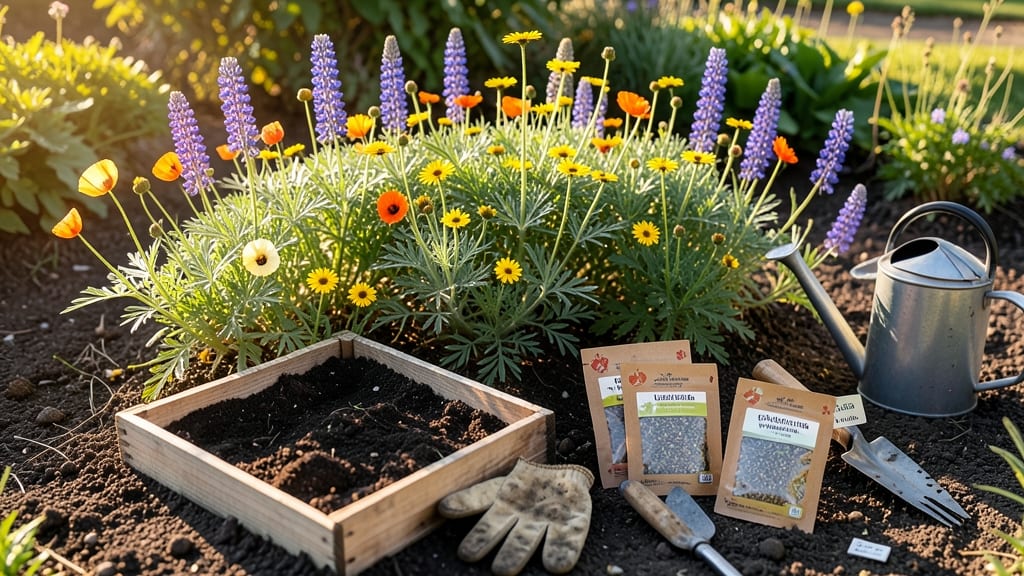
Planting wildflower seeds in California at the right time means the difference between a vibrant meadow and a patch of dirt — and the timing varies wildly from coastal fog to desert heat.
California’s diverse climates—from coastal fog to desert heat—mean wildflower planting timing can make or break your garden’s success. Plant at the wrong time, and your seeds may never sprout; get it right, and you’ll enjoy vibrant blooms that attract pollinators for years.
Whether you’re in USDA Zone 9-10 along the coast or Zone 5-7 in the Sierra foothills, the key is matching your seeds to the microclimate. Coastal areas thrive with fall planting, while inland valleys and deserts often wait for winter rains.
Below, I break down the best months for each region, soil prep secrets, and how to choose seeds that thrive in your specific corner of California.
California’s 5 wildflower planting zones by microclimate and best months
California’s wildflower planting success hinges on understanding its 5 distinct microclimates. Each zone—coastal, inland valleys, desert, foothills, and high mountains—has unique temperature ranges and rainfall patterns that dictate the ideal planting window.
For example, coastal areas thrive with fall plantings to take advantage of winter rains, while desert regions need cool-season sowing to avoid summer heat stress.
Native wildflowers like California poppies and lupines have evolved to bloom during specific seasons. Planting at the wrong time—like seeding desert wildflowers in summer—can lead to seed dormancy or heat damage. Let’s break down the optimal months for each zone and why timing matters so much.
🌱 Visual Guide: Use this comparison table to find your zone and the best planting months for wildflower seeds.
| Zone | Climate Type | Best Planting Months | Why This Timing? | Native Wildflowers to Try |
|---|---|---|---|---|
| Coastal (e.g., San Francisco, Monterey) | Mediterranean (cool, foggy summers) | September–November | Winter rains trigger germination; mild temps prevent heat stress. | Baby Blue Eyes, Coastal Strawberry, Checker Bloom |
| Inland Valleys (e.g., Sacramento, Central Valley) | Hot summers, cold winters | October–December | Cooler temps and early rains promote even sprouting. | California Poppy, Flax, Tidy Tips |
| Desert (e.g., Death Valley, Joshua Tree) | Extreme heat, minimal rain | November–January | Avoids summer heat; relies on occasional winter moisture. | Desert Marigold, Mojave Asters, Brittlebush |
| Foothills (e.g., Sierra Nevada base) | Moderate summers, cold winters | February–March | Spring rains coincide with soil warming for germination. | Lupine, Penstemon, Goldenrod |
| High Mountains (e.g., Lake Tahoe, Sierra Nevada) | Cool year-round, short growing season | June–July | Snowmelt provides moisture; short window for growth. | Mountain Lilac, Alpine Buttercup, Sky Pilot |
In coastal zones, planting in fall ensures seeds germinate during the wettest months (November–March). The foggy marine layer keeps soils moist without overwatering risks. I’ve seen Baby Blue Eyes thrive when sown in October—their delicate blooms appear by spring.
For inland valleys, the Central Valley’s hot summers make winter planting critical. Seeds like California poppies need 60–90 days of cool weather to establish roots before summer heat arrives. Skipping this window often results in poor germination or stunted growth.
Desert gardeners must plant wildflowers in late fall to avoid summer dormancy. Species like Desert Marigold store moisture in their succulent leaves, but seeds need consistent soil moisture to break dormancy. I recommend light irrigation every 7–10 days until rains return.
High-elevation zones like the Sierra Nevada have a short growing season, so timing is even more precise. Planting in June–July aligns with snowmelt, providing natural watering. Alpine wildflowers like Mountain Lilac bloom quickly but need well-draining soil to prevent rot in heavy clay.
Pro tip: Check your local frost dates—coastal areas rarely freeze, while inland valleys can see 20°F nights. Use native seed mixes tailored to your zone to ensure drought tolerance and pollinator appeal.
For example, lupines in inland valleys need well-draining soil, while coastal strawberry thrives in moist, shaded spots.
🌿 Key Takeaway: Match your planting to your zone’s natural rainfall cycle. Coastal? Plant in fall. Desert? Aim for winter. Mountains? Wait for snowmelt. Your wildflowers will reward you with vibrant blooms and years of
How to adjust planting for rainfall patterns: native wildflowers vs. non-native species
California’s wildflowers thrive when planted at the right time based on their natural rainfall patterns. Native species like California poppies and lupines have adapted to our drought-prone summers and winter rains, while non-native varieties may need different timing.
Understanding these patterns ensures your seeds germinate successfully and grow into healthy plants.
Native wildflowers, such as goldenrod and matilija poppy, are drought-tolerant and often planted in fall or early spring to take advantage of winter rains.
Non-native species, like cornflowers or cosmos, may require more consistent moisture and can be planted in late winter or early spring when soil temperatures are cooler and evaporation is lower.
Native vs. Non-Native Wildflowers: Planting Timing Guide
Native Wildflowers
- Best Planting Time: Fall (Sept-Oct) or Early Spring (Feb-Mar)
- Why? Aligns with natural rainfall patterns
- Examples: California Poppy, Lupine, Goldenrod
- Water Needs: Low once established
Non-Native Wildflowers
- Best Planting Time: Late Winter (Jan-Feb) or Early Spring (Mar-Apr)
- Why? Needs consistent moisture for germination
- Examples: Cosmos, Cornflower, Zinnia
- Water Needs: Moderate during establishment
For California poppies, timing is critical—they need cool, moist soil to germinate, which is why fall planting works best in most regions. In contrast, lupines, while native, prefer slightly cooler temperatures and can also be sown in late winter if your area gets consistent winter rains.
These plants naturally sync with California’s wet winters and dry summers.
Non-native species like cosmos or sunflowers often need more frequent watering during germination, making early spring planting ideal. These flowers thrive with regular moisture but can struggle in prolonged drought.
If you’re in a desert region, like the Mojave, focus on native species that can handle minimal rainfall.
One key mistake gardeners make is planting moisture-loving species in summer when evaporation is high. Instead, align your planting with natural rainfall cycles. For example, in coastal California, where fog provides moisture, you can plant non-natives slightly later in spring than inland areas.
To maximize success, always check seed packets for specific instructions and monitor local weather patterns. Native wildflowers are your best bet for low-maintenance, drought-resistant gardens, while non-natives can add color and variety if you’re willing to provide extra care during establishment. 🌿