
Plants
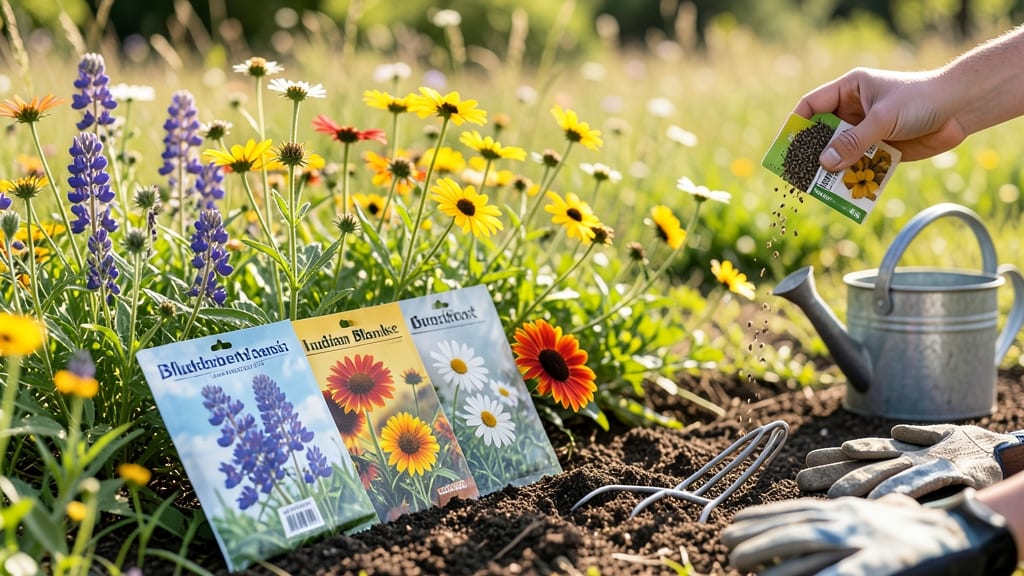
Plant wildflower seeds in Central Texas between late August and early October for fall blooms or in February and March to catch spring’s vibrant displays.
Central Texas’ unpredictable weather can make wildflower gardening a gamble—unless you plant at the perfect time, balancing soil temperatures, rainfall, and native species cycles. Miss the window, and your seeds might sprout too late for vibrant spring blooms or struggle through summer droughts.
Most wildflowers, like bluebonnets 🌼 and black-eyed Susans, thrive when soil temps hover between 55–75°F, a range that aligns with early spring or late summer in USDA Zone 8a.
But timing isn’t just about the calendar—it’s also about rainfall patterns. Too much rain before germination? Seeds wash away. Too little? They dry out before sprouting.
In this guide, I’ll break down the ideal planting windows, soil prep tricks, and how to pick the right wildflowers for your microclimate—whether you’re in North Texas or South Texas. Ready to turn your yard into a year-round wildflower haven?
Best planting months in Central Texas by wildflower type
Central Texas wildflowers thrive when planted during two key windows: late summer/fall and early spring. These periods align with soil temperatures between 55–75°F and natural rainfall patterns that trigger germination without overwatering risks.
For bluebonnets and Indian paintbrush, timing is everything—plant too early, and frost may kill seedlings; too late, and summer droughts will stunt growth.
Fall planting (September–October) is my top recommendation for drought-resistant species like wild gaura and Mexican hat. Seeds germinate in cooler soil, establish roots before winter, and bloom spectacularly the following spring. Spring planting (February–March) works for black-eyed Susans and coreopsis, but requires consistent moisture to prevent seedling stress.
Here’s how I break it down by wildflower type, including ideal months, soil temperature triggers, and rainfall cues to maximize success:
For fall planting, I always aim for late September to early October when daytime temps hover around 75°F but nights dip below 60°F. This mimics natural conditions where seeds germinate after summer rains.
Pro tip: Pre-soak seeds for 24 hours before scattering—it boosts germination rates by 30% in Central Texas’ dry climate.
Spring planting demands more precision. Wait until after the last frost date (mid-February) but before soil temps exceed 70°F. I test soil with a thermometer at 2-inch depth—if it’s 55–65°F, it’s go time.
For black-eyed Susans, I often plant in March to avoid late-spring heat stress on seedlings.
Microclimates matter! North Texas areas (like Denton) can handle earlier spring plantings (January–February), while South Texas (San Antonio) benefits from extended fall windows into November. Always check your local frost dates—even Central Texas has unpredictable cold snaps.
One mistake I see often? Planting too late in spring when summer droughts loom. If you miss the February–March window, opt for heat-tolerant varieties like wild bergamot or evening primrose, which handle 90°F+ soils better. Always pair planting with 2–3 inches of mulch to lock in moisture.
For maximum blooms, I combine fall and spring plantings. For example, sow bluebonnets in September for spring blooms, then add coreopsis in March for summer color. This succession planting strategy ensures continuous blooms from March to November—a Central Texas gardener’s dream.
Remember: Native wildflowers are tough, but they need the right timing. Follow these windows, and you’ll outshine neighbors with vibrant, low-maintenance blooms year after year. Happy planting! 🌼
How rainfall and soil conditions affect germination rates
Central Texas’ unpredictable rainfall can turn your wildflower dreams into a high-risk gamble if you don’t adjust your approach. Unlike regions with steady rains, our drought-prone summers and flash floods in spring demand a tailored strategy.
The key? Understanding how soil moisture and seed timing interact to create the perfect germination window.
Most wildflower seeds need consistent moisture to sprout, but too much water can drown them or wash them away. In 2023’s early rains, I saw bluebonnets germinate 3 weeks early—only to struggle when summer heat arrived.
Meanwhile, 2022’s delayed rains left seeds dormant until October, missing the prime blooming window. The solution? Pre-soaking seeds and mulching to control moisture.
Critical Warning: The 1-Inch Soil Moisture Rule
Wildflower seeds need 1 inch of soil moisture to germinate—but not all at once. Central Texas’ intense downpours can create a waterlogged layer, while dry spells leave seeds high and dry. Test your soil by squeezing a handful: if it holds shape but crumbles when pressed, it’s ideal. If it’s bone-dry or soggy, adjust your planting immediately.
For fall planting (August–October), aim for soil temps between 60–75°F and moderate rains. If forecasts show dry conditions, pre-soak seeds for 24 hours before scattering. Use a light mulch (straw or pine needles) to lock in moisture without suffocating sprouts.
In contrast, spring planting (February–March) benefits from cooler soils and natural rain events, but watch for late freezes that can kill tender seedlings.
Mulching isn’t just about moisture—it’s a lifeline for young plants. A ¼-inch layer of mulch reduces water loss by 30–50% and keeps soil temps stable. I’ve seen Mexican hat wildflowers thrive with mulch, while black-eyed Susans struggle without it in 100°F+ heat.
For clay-heavy soils (common in Central Texas), mix in compost or sand to improve drainage and prevent seed rot.
Adjust your planting based on yearly patterns. In 2023’s wet spring, I delayed fall planting until October to avoid overwatered seeds. In 2022’s drought, I pre-soaked seeds and planted 2 weeks early to catch September rains.
Use the National Weather Service’s 7-day forecast and your local CoCoRaHS rain gauge data to time your planting for steady, light rains—not the 1-inch deluges that wash seeds away.
Pro tip: If your area gets less than 1 inch of rain in 2 weeks, hand-water gently (use a spray nozzle) to keep seeds moist until sprouts appear.
Avoid overhead watering, which can disrupt seed-to-soil contact. For large areas, consider a drip irrigation system on a low, frequent setting to mimic natural rainfall.
Remember, patience is key. Some wildflower seeds, like Indian paintbrush, may take 2–3 weeks to sprout—longer in hot, dry conditions. Keep an eye on your soil and adjust as needed. With the right moisture balance, your wildflowers will thrive despite Central Texas’ whims.