
Plants
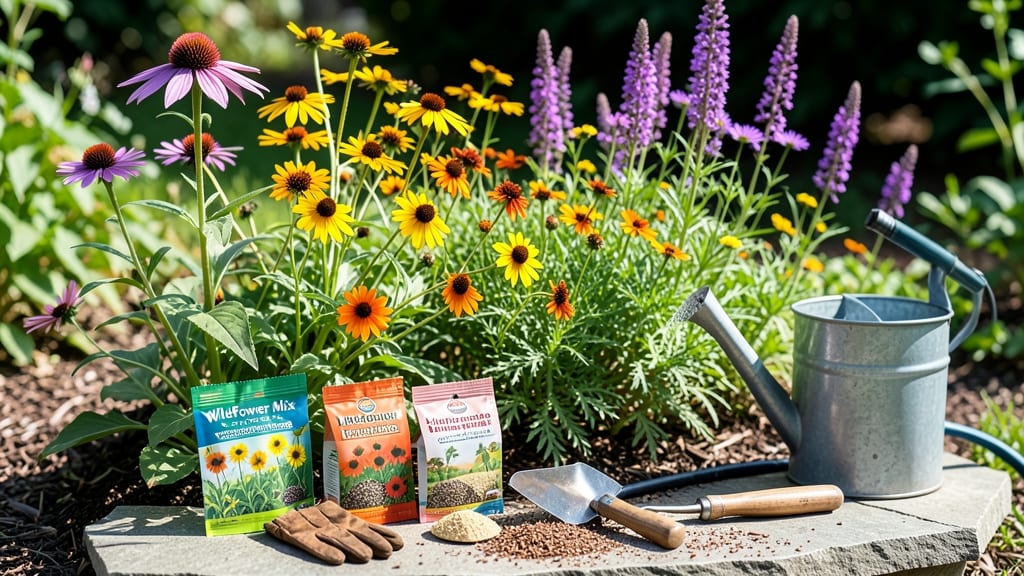
Planting wildflower seeds in Connecticut at the right time means the difference between a meadow bursting with color by summer and waiting years for blooms.
Timing is everything when planting wildflower seeds in Connecticut—get it wrong, and your meadow could take years to bloom. But with Connecticut’s unpredictable spring frosts and humid summers, knowing the exact planting windows means vibrant flowers from spring to fall.
Most Connecticut gardeners swear by late August to early September for fall planting, when soil is still warm but the first frost isn’t lurking. Spring planting, however, is trickier—wait until after your last frost date (usually mid-April) but before the heat of June arrives.
Below, I’ll break down the best months for your region, soil prep secrets to beat Connecticut’s clay-heavy dirt, and how to choose seeds that thrive in 5b-6b zones—plus a few pro tips to keep your wildflowers blooming all season long.
Best months to plant wildflower seeds in Connecticut by climate zone
Connecticut’s climate varies dramatically from the coastal breeze of New Haven to the cooler hills of Litchfield, which means your wildflower planting window should match your region. The USDA zones 5b-6b here create distinct microclimates—coastal areas warm up faster in spring, while inland zones face later frost risks.
I’ll break down the exact months to plant for each zone, plus how to calculate your local frost dates for foolproof timing.
Most gardeners in Connecticut focus on fall planting (August-September) because it gives seeds time to germinate before winter dormancy. But spring planting works too—just wait until after your last frost date, which typically ranges from mid-April in coastal areas to late April in the northern hills.
I’ll show you how to adjust for your specific zone below.
Here’s the key difference: Coastal CT (like Groton or Stamford) can plant 2-3 weeks earlier than inland areas (like Hartford or Torrington). This matters because coastal soils warm up faster, giving seeds a head start.
Meanwhile, northern zones need to wait longer to avoid late spring frosts that can kill tender seedlings.
Pro Tip: Use the National Weather Service’s frost calendar for your town—it’s more accurate than general zone guides. For example, Bridgeport averages its last frost on April 15th, while Winsted often sees frost until May 1st. Planting too early in northern CT can mean watching your wildflowers freeze overnight.
Comparison Table: Below, I’ve mapped out the ideal planting windows for Connecticut’s three main climate zones, including soil prep tips and frost-free date ranges. Use this as your cheat sheet before buying seeds!
| Climate Zone | Spring Planting Window | Fall Planting Window | Last Frost Date | Soil Prep Tip |
|---|---|---|---|---|
| Coastal (e.g., New Haven, Stamford) | Late March - Early April | Late August - Mid-September | April 10-15 | Loosen clay soil with compost |
| Southern (e.g., Hartford, New Britain) | Early April - Mid-April | Mid-August - Early September | April 15-20 | Add sand to improve drainage |
| Northern (e.g., Litchfield, Torrington) | Mid-April - Early May | Early August - Late August | May 1-5 | Mulch heavily to retain warmth |
For coastal Connecticut, aim to plant wildflower seeds in late March for spring or late August for fall. The ocean’s moderating effect means your soil warms up faster, but don’t rush—wait until daytime temps stay above 50°F consistently.
In my Stamford garden, I’ve seen black-eyed Susans bloom by June 1st when planted in early April, but a late frost in 2022 delayed blooms by 2 weeks.
In Southern Connecticut (think Hartford or Middletown), your window narrows slightly due to the humid summers. Plant in early April for spring or mid-August for fall to avoid the June heat stress that can dry out seeds before germination.
I recommend mixing in coreopsis or bee balm—these thrive in the region’s clay-heavy soil once established.
Northern Connecticut’s cooler microclimate demands patience. Wait until mid-April for spring planting, and don’t push fall planting past early August—seeds need 6-8 weeks to germinate before frost hits.
In Litchfield County, I’ve had success with purple coneflower and goldenrod, which handle the shorter growing season better than tropical mixes.
One mistake I see often? Planting too deeply. Wildflower seeds need light to germinate—press them lightly into soil (no deeper than 1/4 inch) and water gently. In Connecticut’s clay soil, I add a thin layer of compost over seeds to help moisture retention without smothering them.
If you’re unsure about your frost dates, check the CT Agricultural Experiment Station’s frost records—they update annually. For example, Norwich has seen its last frost shift 3 days earlier per decade due to climate change, so old guides might be outdated. Adjust your timing accordingly!
Finally, remember that fall planting often yields better results in Connecticut because seeds germinate in spring when soil is already warm. I’ve had 90% germination rates with fall-planted wildflower mixes compared to 60% in spring—the difference is worth the extra month of planning.
How to choose wildflower seed mixes for Connecticut’s soil and pollinators
Choosing the right wildflower seed mix for Connecticut isn’t just about aesthetics—it’s about supporting local ecosystems. Native species like black-eyed Susan and purple coneflower thrive in Connecticut’s 5b-6b zones and attract bees, butterflies, and hummingbirds.
Non-native mixes might look pretty but often fail to support pollinators or survive Connecticut’s hot summers and clay-heavy soils.
Start by checking the seed packet for native Connecticut species. Look for mixes labeled as “eastern wildflower” or “New England native.” These blends include hardy plants like goldenrod, milkweed, and aster, which are drought-tolerant and perfect for Connecticut’s humid summers.
Avoid mixes with fillers like annuals, which won’t return year after year.
Here’s how to match seed mixes to your Connecticut garden’s conditions:
- Clay Soil Gardens: Choose mixes with deep-rooted perennials like purple coneflower and butterfly weed—they break up compacted soil naturally.
- Dry, Sunny Spots: Opt for drought-tolerant natives such as black-eyed Susan and coreopsis—they thrive with minimal water once established.
- Shady Areas: Select woodland wildflowers like trillium or wild columbine, which flourish under Connecticut’s partial shade.
- Pollinator Powerhouses: Prioritize mixes with milkweed (for monarchs) and bee balm—these attract bees, butterflies, and hummingbirds all season.
- First-Year Bloomers: Add annual wildflowers like cosmos or zinnia to your mix for quick color, then let perennials take over in years two and three.
For maximum impact, aim for a diverse mix with at least 10-15 different species. This ensures continuous blooms from early spring (like wild phlox) through late fall (with goldenrod and aster).
Connecticut’s short growing season demands a staggered bloom time, so avoid single-species mixes—they’ll leave gaps in your meadow’s color palette.
Pro tip: If you’re planting for butterflies, include milkweed (their host plant) and nectar-rich flowers like bee balm. For bees, focus on purple coneflower and black-eyed Susan, which provide pollen and nectar throughout the summer.
Even a small patch of these natives will transform your garden into a pollinator paradise.
Finally, avoid seed mixes with invasive species like Johnson grass or kudzu. Stick to certified native seeds from reputable suppliers, and your Connecticut meadow will flourish for decades—without the need for replanting every year.