
Plants
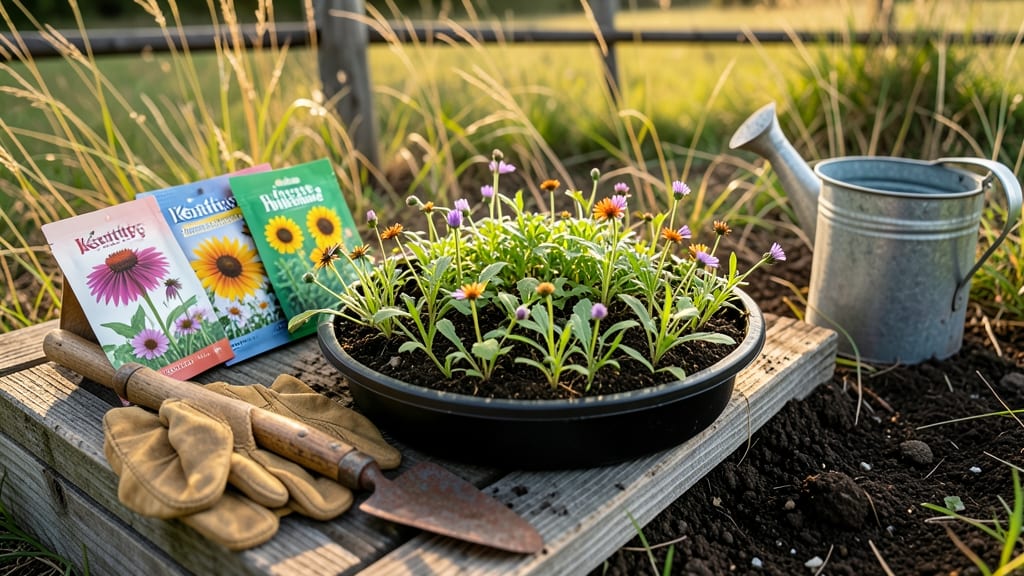
Planting wildflower seeds in Kentucky at the right time means the difference between a vibrant meadow and a patch of dirt by next summer.
If you’ve ever scattered seeds in late spring only to watch them wilt under Kentucky’s summer heat, you know timing matters more than you think. The key isn’t just picking a month—it’s syncing with the state’s humid climate and native species’ natural rhythms.
Fall planting, when temperatures cool and rains return, gives wildflowers like purple coneflower and black-eyed Susan the best start. But spring has its place too, if you prep the soil right and avoid the drought stress that hits hard in July.
Below, I’ll walk you through the best months for your USDA zone, soil tricks to beat Kentucky’s moisture challenges, and which native wildflowers bloom when to plan your garden like a pro.
Best months to plant wildflower seeds in Kentucky’s climate zones
Kentucky’s USDA hardiness zones 6a-7b create perfect conditions for wildflowers, but timing is everything. The state’s humid summers and mild winters mean you can plant wildflower seeds in two ideal windows: early spring and early fall.
Each season offers unique advantages for germination and establishment, especially for native species like black-eyed Susans and purple coneflowers.
For spring planting, aim for March through April—just after the last frost date (around mid-March in most regions).
This gives seeds time to germinate before summer heat sets in. Fall planting, on the other hand, is best in September and October, allowing seeds to establish roots before winter dormancy. Both strategies help avoid Kentucky’s hot, dry summers, which can stress young seedlings.
Native wildflowers like milkweed and butterfly weed thrive when planted in these windows because they align with natural rainfall patterns. Kentucky’s spring rains moisten soil perfectly for seed germination, while fall moisture supports early root growth.
Avoid planting in late spring or summer, as seeds may dry out or face fungal risks from humidity.
Here’s a quick comparison of planting windows for Kentucky’s zones:
| Planting Window | USDA Zones 6a-7b | Best Species | Soil Prep Tip |
|---|---|---|---|
| Early Spring (March-April) | All zones | Black-eyed Susan, Coneflower, Coreopsis | Loosen soil, add compost |
| Late Spring (May) | Avoid (high drought risk) | N/A | Skip—seeds dry out |
| Early Fall (September-October) | All zones | Milkweed, Butterfly Weed, Aster | Rake seeds into soil |
| Winter (November-February) | Zone 7b only (mild winters) | Perennials (e.g., Goldenrod) | Cover seeds with mulch |
In zone 6a (northern Kentucky), focus on early spring planting to capitalize on cooler temperatures. Zone 7b (southern Kentucky) can handle fall planting into November, thanks to milder winters.
For annual wildflowers, spring planting is ideal, while perennials like milkweed benefit from fall’s cooler soil temperatures, which reduce stress.
Pro tip: Scatter seeds thinly—wildflowers don’t need dense planting. Lightly press them into the soil (no deeper than 1/4 inch) and water gently to avoid washing seeds away. Kentucky’s clay-heavy soils can compact easily, so aerate before planting to improve drainage and root penetration.
If you’re planting a wildflower meadow, divide your seeds into batches. Plant 50% in spring and 50% in fall for continuous blooms. This strategy ensures year-round pollinator support, as different species will bloom at different times. For example, spring-blooming black-eyed Susans pair beautifully with fall-blooming asters.
Remember, Kentucky’s humidity can lead to fungal issues if seeds are planted too deep or in overly moist soil. Always choose a sunny, well-draining spot with 6+ hours of sunlight daily. Mulch lightly after planting to retain moisture without suffocating seeds.
For best results, test your soil’s pH (aim for 6.0-7.0) and amend with compost if needed. Native wildflowers are low-maintenance once established, but proper timing and soil prep set the stage for a thriving, pollinator-friendly garden that will reward you for years to come.
How Kentucky’s humidity affects wildflower germination success
Kentucky’s humid climate isn’t just a challenge—it’s an opportunity if you know how to work with it. The state’s high moisture levels and frequent rainfall can either drown your seeds or create the perfect conditions for germination, depending on how you prepare your seedbed.
Unlike drier regions, Kentucky’s wildflowers need moisture-retentive soil but also good drainage to avoid fungal diseases like damping-off.
Many native wildflower seeds, such as purple coneflower and butterfly weed, benefit from Kentucky’s natural rainfall. However, the key is timing your planting so seeds don’t sit in soggy soil too long before sprouting.
Fall planting, for example, takes advantage of cooler temperatures and consistent moisture, reducing the risk of fungal issues that plague spring plantings.
Before scattering seeds, I always test my soil’s moisture retention. A simple squeeze test—if water drips out slowly, your soil holds moisture well. If it crumbles instantly, you’ll need to amend with compost or peat moss to improve water retention without compacting the soil.
This balance is critical for Kentucky’s clay-heavy soils, which can suffocate seeds if not properly aerated.
⚠️ Warning: Avoid Overwatering in Kentucky’s Humid Climate
Kentucky’s high humidity means seeds planted in late spring often face fungal risks like damping-off. Never water seeds after planting—rely on natural rainfall. If you must water, use a fine mist in the early morning to allow soil to dry slightly by evening. Fall planting (September-October) is safest, as cooler temps reduce fungal pressure while maintaining moisture.
Another critical factor is seed stratification. Many Kentucky wildflowers, including milkweed and goldenrod, require a period of cold moisture to break dormancy. You can mimic nature by pre-soaking seeds in water for 24 hours before planting, then scattering them on slightly damp soil.
This ensures they germinate quickly when conditions are ideal, rather than waiting for unpredictable rainfall.
To further protect your seeds, I always mulch lightly with straw or leaves after planting. This keeps soil temperatures stable and prevents water from evaporating too quickly. However, avoid thick mulch layers—wildflower seeds need light to germinate, and too much mulch can smother them.
A 1-inch layer is perfect for Kentucky’s climate, providing just enough protection without blocking sunlight.
Finally, choose native wildflower mixes adapted to Kentucky’s humidity. Species like wild bergamot and partridge pea thrive in moist conditions and resist fungal diseases better than non-native varieties. These plants also support local pollinators, making your garden both beautiful and ecologically beneficial.