
Plants
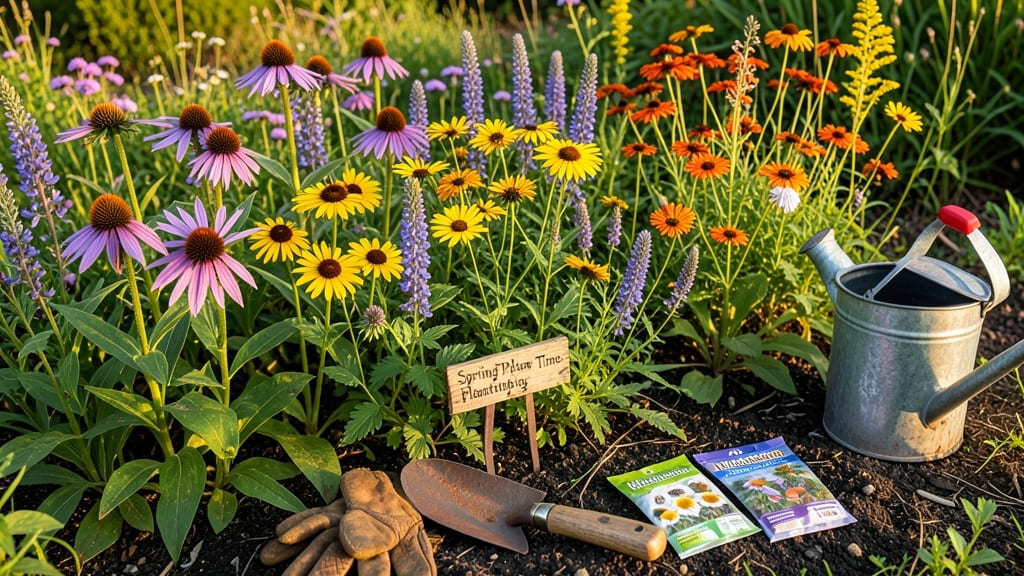
Planting wildflower seeds in NJ during early spring or fall sets the stage for a meadow bursting with color and life 🌼 — but timing matters more than you might think.
Picture this: you’ve chosen the perfect native mix, prepped the soil, and scattered seeds with care. Yet, if you miss the 60-day window before summer heat or winter frost, germination rates drop sharply. In zones 6b-7a, that means March-April or September-October — not May or November.
Why does this matter? Wildflowers aren’t just pretty faces; they’re lifelines for pollinators like bees and butterflies. A well-timed planting means more flowers, more food for wildlife, and a landscape that thrives year after year without extra fuss.
In this guide, I’ll walk you through the exact months to plant, how to prep your soil for maximum success, and the 3 biggest mistakes that kill even the hardiest wildflower seeds. Let’s get those seeds in the ground the right way — the first time.
Best months to plant wildflower seeds in NJ (zone 6b-7a guide)
New Jersey’s USDA Zones 6b-7a create perfect conditions for wildflower meadows, but timing is critical. The last frost date (mid-April) and first frost (mid-October) bookend your planting windows. Miss these, and your seeds may struggle to establish before winter or summer heat.
For the best results, focus on early spring (March-April) and late summer to early fall (August-September)—these periods offer the ideal balance of soil moisture and moderate temperatures for germination.
Spring planting gives seeds a head start before summer drought, while fall sowing lets them establish roots before winter. Both strategies work, but soil temperature is the key factor. Wildflower seeds germinate best when soil reaches 50-75°F.
In NJ, this typically aligns with March-April for spring and September-October for fall, just before the first hard frost. Understanding these temperature thresholds helps you avoid planting too early (risking frost damage) or too late (delaying blooms).
| Planting Window | Ideal Months | Soil Temp (°F) | Key Conditions | Germination Time |
|---|---|---|---|---|
| Primary Window | March - April | 50-75°F | Moist soil, no frost risk | 2-4 weeks |
| Secondary Window | September - October | 50-65°F | Cool nights, consistent rain | 3-6 weeks |
| Late Spring Backup | May (early) | 60-75°F | Frequent watering required | 3-5 weeks |
| Avoid Planting | June - August | Above 80°F | High drought risk, poor germination | Unreliable |
For spring planting (March-April), prepare your soil in February while it’s still workable but before the ground freezes. Loosen the top 2-3 inches with a rake or tilling tool to create a seed-friendly bed. Remove any competing weeds or debris, as wildflowers thrive in open spaces.
Once your site is ready, scatter seeds lightly—they need sunlight to germinate, so avoid burying them more than 1/4 inch deep. A gentle press with a board or rake ensures contact with soil without smothering the seeds.
If you prefer fall planting (September-October), take advantage of NJ’s cooler temperatures and consistent autumn rains, which reduce the need for manual watering. Sow seeds 4-6 weeks before the first frost (typically by early October) to allow roots to establish.
Fall-planted seeds often produce earlier blooms the following year because they skip the stress of summer heat. Just be sure to mark your planting area so you don’t accidentally till it in early spring, which could disturb dormant seeds.
Soil preparation is just as important as timing. Wildflowers in NJ thrive in well-draining soil with a pH between 6.0-7.5. If your soil is heavy clay or compacted, amend it with compost or sand to improve aeration.
Test your soil’s moisture retention—wildflowers hate soggy conditions but also struggle in bone-dry soil. A simple percolation test (dig a small hole, fill with water, and time how long it drains) helps gauge whether your site needs amendments.
For sandy soils, mix in peat moss to retain moisture; for clay soils, add coarse sand.
One common mistake is planting wildflower seeds too late in spring (May or June). While possible, these seeds face intense summer heat and drought stress, often resulting in poor germination.
If you must plant in late spring, choose heat-tolerant varieties like black-eyed Susan or coreopsis and water deeply 2-3 times per week until seeds sprout. Mulching with straw or wood chips helps retain moisture and protect seeds from bird foraging.
Even then, expect slower growth compared to spring or fall plantings.
Microclimates in NJ can shift planting deadlines by 1-2 weeks. Coastal areas (like Cape May) tend to be milder, allowing slightly later spring plantings, while inland regions (like Morris County) may experience earlier frosts.
Pay attention to local microclimate cues, such as nearby trees shedding leaves or neighborhood gardens blooming. These natural indicators often align with optimal planting times better than calendar dates alone. For example, if your daffodils bloom in early March, it’s a sign that spring planting season has arrived.
After sowing, consistent moisture is critical for the first 4-6 weeks. Wildflower seeds need light but frequent watering—think of it like misting a greenhouse. Use a gentle spray nozzle or soaker hose to avoid displacing seeds. Once seedlings emerge, reduce watering to once weekly, letting the soil
How to choose wildflower seed mixes for NJ’s climate and pollinators
Choosing the right wildflower seed mix for New Jersey’s USDA Zones 6b-7a means balancing native plants with pollinator needs and seasonal blooms. Native mixes like Eastern Wildflower Blend support local ecosystems, while non-native varieties may offer longer bloom times.
The key? Matching your sun exposure and soil type to the mix’s requirements.
NJ’s climate—with hot summers and cold winters—demands drought-tolerant and cold-hardy varieties. For example, Black-Eyed Susan and Purple Coneflower thrive in full sun, while Wild Bergamot adapts to partial shade.
Always check the mix’s bloom season: some provide early spring color, others peak in summer or fall, ensuring year-round pollinator support.
Here’s the trade-off between native and non-native mixes in NJ:
- Supports local pollinators and wildlife
- Adapted to NJ’s soil and climate
- Low-maintenance, drought-resistant
- Limited color variety
- Shorter bloom seasons per species
- Longer bloom seasons (e.g., Zinnias)
- More color options and heights
- Often cheaper than native mixes
- May outcompete native plants
- Requires more water and care
- Less ecological benefit for NJ
For sunny gardens (6+ hours of sun), opt for mixes with Black-Eyed Susan, Butterfly Weed, and Goldenrod. These thrive in NJ’s well-draining soil and attract bees, butterflies, and hummingbirds. In partial shade, Wild Columbine and Wild Geranium shine, adding vertical interest and early blooms.
Soil prep is critical: test your soil’s pH (6.0-7.0 ideal) and amend with compost if needed. Avoid heavy clay soils—wildflowers prefer loamy or sandy textures. If your site has poor drainage, raise beds or mix in perlite to prevent root rot.
Pro tip: Look for pollinator-specific mixes labeled for NJ. Brands like American Meadows or Wildseed Farms offer blends with 90%+ native species, ensuring your meadow becomes a buzzing hub for bees and butterflies within the first year. Start small—try a 10x10-foot plot—to test what thrives in your microclimate.
Remember, the best mix for your NJ garden balances beauty, ecology, and ease. Prioritize native perennials for long-term success, and always read seed packets for specific light and soil needs.
With the right choice, your wildflower meadow will bloom for decades with minimal effort—just like NJ’s native landscapes intended 🌿.