
Flowers
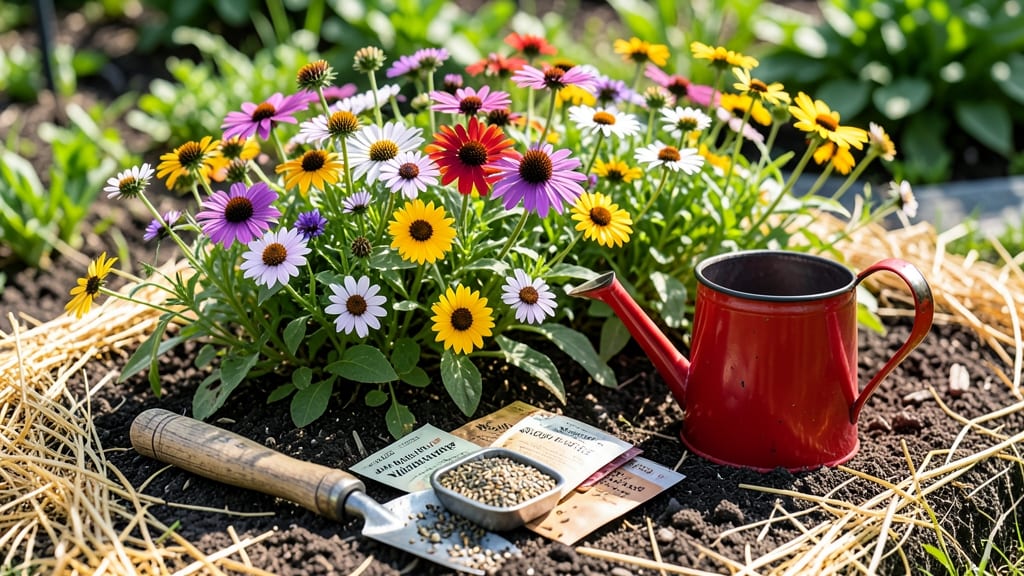
To plant wildflowers in Missouri, aim for late winter to early spring or early fall when soil temps cooperate and frost risks fade.
Missouri’s wildflowers burst into vibrant blooms that attract pollinators and add natural beauty—but timing is everything. Plant too early, and frost will wipe them out; too late, and summer heat may stunt growth.
Here’s your precise planting schedule for Missouri’s USDA Zones 5 and 6, plus pro tips to ensure a thriving meadow.
Whether you’re sowing native bluebonnets or hardy black-eyed Susans, the key is matching your species to the season. Cool-season wildflowers thrive in spring, while warm-season varieties like cone flowers need summer’s warmth to germinate.
Below, you’ll find the exact frost-free dates for your region, soil prep secrets, and a species-by-season planting guide to keep your garden in bloom from spring through fall.
Missouri wildflower planting calendar: exact dates by USDA Zone 5 & 6
Missouri’s USDA Zones 5 and 6 offer distinct planting windows for wildflowers, where timing directly impacts bloom success. In Zone 5b (northern MO), average last frost dates arrive around April 15, while Zone 6a (southern MO) sees frost-free conditions by March 25.
These differences create a 2-3 week shift in ideal planting windows between regions.
For annual wildflowers, focus on early spring (March-April) or late summer (August-September) planting. Perennials, however, thrive when sown in early fall (September-October) to establish roots before winter. Missouri’s microclimates—like St. Louis’s urban heat island vs. Kansas City’s cooler plains—can further adjust these timelines by 7-10 days.
Here’s your visual planting guide for Missouri’s wildflowers, organized by zone, season, and plant type:
| Planting Window | USDA Zone 5b | USDA Zone 6a | Plant Type | Notes |
|---|---|---|---|---|
| Early Spring | March 20 - April 15 | March 10 - April 5 | Annuals | Best for sun-loving species like black-eyed Susans and coreopsis. |
| Late Summer | August 1 - September 10 | July 25 - August 20 | Annuals & Perennials | Ideal for fall-blooming varieties like goldenrod. |
| Early Fall | September 15 - October 10 | September 1 - October 5 | Perennials | Best for native perennials like coneflowers and purple coneflower. |
| Seed Germination | 10-21 days | 7-14 days | All Types | Soil temps must reach 50-60°F for optimal germination. |
| Microclimate Adjustments | +7 days (urban heat) | -10 days (cooler plains) | All Types | St. Louis = earlier planting; KC = later planting. |
In Zone 5b, where frost lingers longer, I recommend starting annual wildflowers indoors in early March for a head start. Use grow lights to simulate spring conditions until transplanting after the last frost date.
For Zone 6a, you can sow directly outdoors as early as February 20 for hardy species like wild bergamot.
Fall planting in Missouri offers a second chance for wildflowers that struggle with summer heat. Sow perennial seeds in September to allow roots to establish before winter dormancy. This method often yields 20-30% more blooms the following spring compared to spring planting.
For example, Missouri native milkweed thrives when sown in late August—just as monarch butterflies begin their migration.
Missouri’s soil preparation is critical, especially in clay-heavy regions like southern Missouri. Loosen soil to a depth of 3-4 inches and mix in compost to improve drainage. In nor
Best wildflower species for Missouri’s seasons: when to sow each type
Missouri’s diverse climate allows wildflowers to thrive year-round, but each species has its own ideal planting window. Cool-season bloomers like bluebonnets and poppies love spring’s mild temps, while black-eyed Susans and cone flowers prefer warm fall soil.
I’ll break down the best planting times for Missouri’s top wildflowers, plus soil temp and moisture tips to ensure success.
For year-round color, I recommend succession planting—mixing early bloomers like lupine (March) with late-season goldenrod (September). This creates a continuous pollinator buffet while minimizing gaps in your meadow’s beauty. Let’s dive into the specifics for each type, so you can time your planting perfectly.
🌱 Missouri Wildflower Planting Guide by Season
- Cool-Season Wildflowers (Plant Sept-Oct or March-April)
- Bluebonnets (soil temp: 60-70°F) – Sow in early spring (March) or fall (Sept) for spring blooms.
- Poppies (light cover) – Direct sow after last frost (April) or fall for early color.
- Lupine (well-draining soil) – Plant in early spring (March) or late summer (Aug) for fall blooms.
- Warm-Season Wildflowers (Plant April-May or Aug-Sept)
- Black-Eyed Susans (full sun) – Sow in early spring (April) or late summer (Aug) for summer-long blooms.
- Coneflowers (drought-tolerant) – Plant in spring (April) or fall (Sept) for robust growth.
- Goldenrod (moisture-loving) – Direct sow in early spring (March) or late summer (Aug) for fall color.
- Succession Planting Tips
- Mix early bloomers (March-April) with late bloomers (Aug-Sept) for continuous color.
- Use annuals (e.g., cosmos) for quick seasonal pops of color.
- Avoid overcrowding—aim for 10-15 seeds per sq ft for healthy growth.
Missouri’s USDA Zones 5-6 mean frost dates vary by region, but most wildflowers tolerate light frosts once established.
For cool-season species, I recommend planting 6-8 weeks before the last expected frost (typically mid-March in northern Missouri). Warm-season varieties like cone flowers need soil temps above 60°F, so wait until late April or early May.
Soil preparation is key—most Missouri wildflowers thrive in well-draining, slightly acidic soil (pH 6.0-7.0). Before sowing, loosen the top 2 inches of soil and remove weeds.
For clay-heavy areas, mix in compost or sand to improve drainage. Native species like wild bergamot are especially forgiving and adapt well to Missouri’s variable moisture.
Watering needs shift with the seasons. Newly planted seeds require consistent moisture—water lightly daily until germination (usually 7-14 days).
Once established, most wildflowers are drought-tolerant, but give them 1 inch of water weekly during dry spells. Mulch lightly with straw to retain moisture and suppress weeds without smothering seeds.
To extend your meadow’s blooming season, stagger plantings by 2-3 weeks. For example, sow half your bluebonnet seeds in March and the other half in September.
This creates a natural succession of blooms from spring through fall, keeping your garden vibrant and buzzing with pollinators all season long.