
Flowers
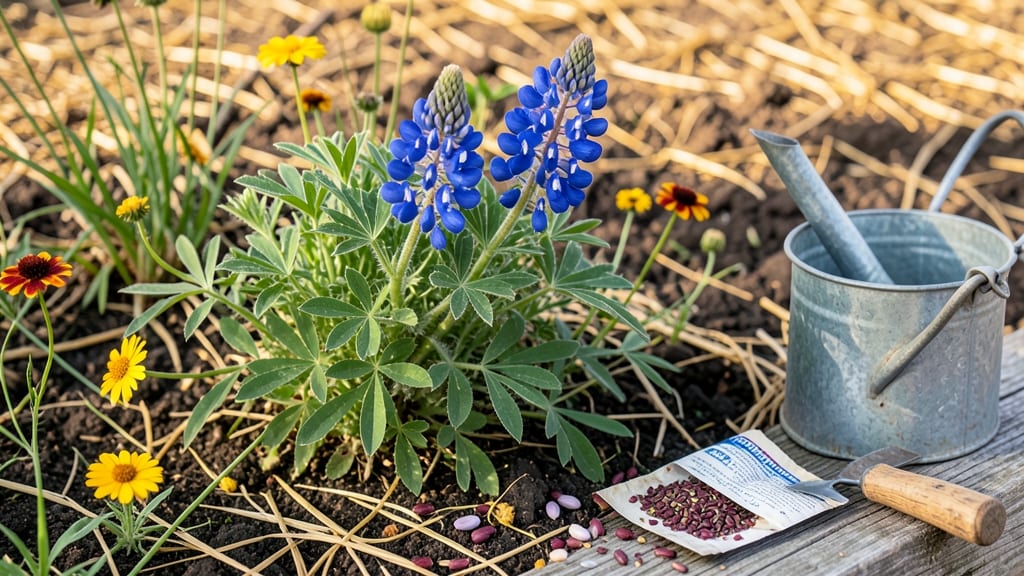
To plant wildflowers in Texas at the right time means choosing between fall or early spring windows—each with its own advantages for drought-tolerant blooms like bluebonnets and black-eyed Susans.
Picture this: you’ve spent hours scattering seeds across your property, only to wake up to a frost-killed carpet of sprouts. Or worse, your wildflowers never even sprout because the summer heat baked them before they had a chance.
Timing isn’t just about the calendar—it’s about your region’s microclimate, from the Hill Country’s unpredictable rains to North Texas’s late frosts.
Texas spans four distinct planting zones, each with its own frost dates and rainfall patterns. What works for a South Texas garden might fail spectacularly in the Panhandle, where winters linger longer and droughts hit harder.
The key? Planting after the summer heat subsides or 4-6 weeks before your last expected frost—whichever comes first.
In this guide, I’ll break down the best months by region, how to prep your soil for maximum germination, and the simple checklist that keeps your wildflowers thriving year after year—no guesswork required.
Texas wildflower planting calendar by region: best months for fall, spring, and summer blooms
Texas wildflowers thrive when planted at the right time, but the perfect window varies dramatically across the state. From the cool North Texas plains to the humid East Texas forests and the arid West Texas deserts, each region has unique frost dates and rainfall patterns.
Understanding these differences ensures your wildflowers—like bluebonnets and Indian paintbrush—bloom reliably year after year.
Most gardeners focus on fall planting (September–November), but Texas also offers prime spring (February–March) and even summer (June–July) opportunities for drought-tolerant varieties. The key? Matching your planting schedule to your region’s last frost date, rainfall patterns, and native species’ natural cycles.
Let’s break it down by region so you can plan like a pro.
In North Texas, where frost can hit as early as December 1, aim to plant bluebonnets by November 15 for spring blooms. The region’s cool winters and moderate rainfall make fall the gold standard, but spring plantings in February also work if you’re patient.
Pro tip: Mix in Indian paintbrush for vertical contrast—it thrives in these conditions too.
For East Texas, where humidity lingers and frosts are later (January 31 average), focus on September–November plantings. Species like Coreopsis and Lantana love the heat and moisture, but avoid waterlogged soil.
If you’re in humid areas, choose seed mixes labeled “shade-tolerant” for understory plantings near trees.
The Hill Country’s microclimate in Central Texas is a gardener’s playground. Here, you can plant wild bergamot in early fall (September) or late summer (June–July) for drought-tolerant varieties.
The key? Water deeply after planting, then let nature take over. This region’s caliche soil benefits from a light compost top-dressing before seeding.
West Texas is the wildcard—where summer planting isn’t just possible, it’s ideal for species like prickly poppy. Plant in June–July to beat the 100°F+ heat of August. Mulch heavily with straw or gravel to retain moisture, and choose seed mixes labeled “arid-land” or “xeric.”
Rainfall is scarce, so rely on deep, infrequent watering after germination.
Don’t overlook summer planting for drought-tolerant varieties—it’s a game-changer in Texas. While traditional wisdom says “plant in fall,” many
How to choose wildflower seed mixes for Texas climate zones (and avoid common mistakes)
Texas’ diverse climate zones demand the right wildflower seed mix—not all blends thrive across the state. A North Texas Mix packed with bluebonnets and Indian paintbrush may fail in South Texas’s heat, while a West Texas Sun Mix could drown in East Texas’s humidity.
Choosing the wrong blend means wasted seeds, missed blooms, and frustrated pollinators. The key? Match your seed mix to your USDA zone (8a-10b) and local rainfall patterns.
Start by identifying your Texas region. North Texas (e.g., Dallas-Fort Worth) benefits from cool-season mixes with bluebonnets and winecups, while South Texas (e.g., San Antonio) needs heat-tolerant varieties like Mexican feathergrass and coreopsis.
Even within regions, microclimates matter—Hill Country gardens may need drought-resistant blends, while East Texas’s richer soils support moisture-loving wildflowers like black-eyed Susans.
Always check the seed label for germination rates and native vs. non-native species. Native mixes (e.g., Lady Bird Johnson Wildflower Mix) support local ecosystems, while non-natives (like cosmos) may require more water.
Avoid cheap, bulk seed blends with low germination rates—opt for reputable brands like Native American Seed or Wildseed Farms, which test their mixes for Texas conditions.
Soil prep is just as critical as seed choice. In West Texas, loosen hardpan soil to improve water penetration, while East Texas may need amendments to reduce clay compactness. A general rule: till 2-3 inches deep, remove weeds, and rake the surface smooth for even seed distribution. For rocky or sloped areas, use a straw mulch blanket to hold seeds in place.
Here’s my pro tip: if your area experiences unpredictable rains (common in Central Texas), plant half your seeds in fall and the other half in early spring. This staggered approach ensures blooms even if one planting fails due to drought or frost.
Always water lightly after planting to settle seeds into the soil—never deep-water, or they’ll wash away.
Finally, avoid these common mistakes:
- Planting high-water-need species in West Texas (e.g., sunflowers instead of prickly poppies).
- Skipping soil testing—pH imbalances (e.g., alkaline soil in West Texas) can kill seeds.
- Using expired seeds (older than 1 year)—germination drops drastically.
✅ Texas Wildflower Seed Mix Checklist
- Region: North/South/Central/West Texas
- Climate: Arid/Humid/Drought-Prone/Rich Soils
- Seed Mix: Native vs. Non-Native (e.g., Lady Bird Mix for natives)
- Germination: 70%+ rate (check label)
- Soil Prep: Loosen 2-3", remove weeds, rake smooth
- Watering: Light post-planting, deep soak after sprouts
- Avoid: High-water seeds in dry zones
🌱 Pro Tip: Stagger plantings for year-round blooms!
For maximum success, pair your seed mix with seasonal planting. Fall plantings (September–November) establish roots before winter, while spring plantings (February–March) capitalize on Texas’s mild winters.
In South Texas (Zone 9a-10b), you can even plant in late winter for summer blooms—just ensure seeds get consistent moisture during germination. By matching your seeds to your local ecosystem and prepping soil correctly, you’ll turn your Texas landscape into a pollinator paradise with minimal effort.
Remember: the best seed mix is the one that thrives in your specific conditions. Don’t guess—ask local nurseries or check the Texas A&M AgriLife Extension for region-specific recommendations. With the right blend and timing, your wildflowers will bloom like clockwork year after year.