
Planting
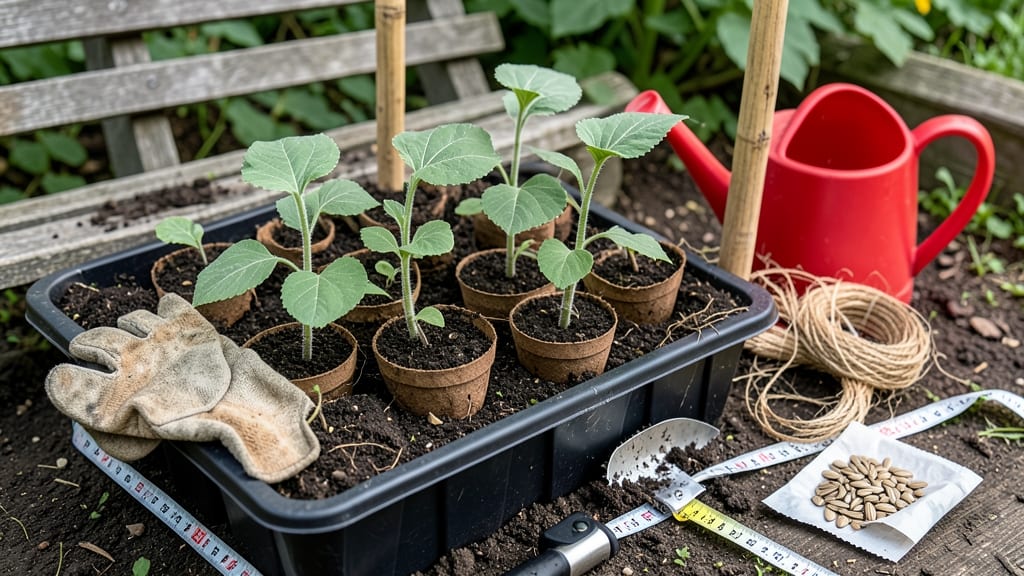
Transplanting sunflower seeds at the right time ensures your 🌻 plants grow tall and strong instead of struggling to survive.
Timing your sunflower transplant is the difference between towering summer blooms and stunted, wilted plants—get it wrong, and you risk losing your entire crop before it even sprouts.
Most gardeners in USDA Zone 6a should wait until after the last frost, typically in April or May, when soil temperatures hit at least 50°F.
In this guide, I’ll break down the exact soil temperature and frost-free deadlines by zone, plus pro tips to minimize transplant shock and maximize those 10-foot giants you’ve been dreaming of.


Optimal soil temperature & frost-free deadlines for sunflower transplanting by USDA Zone
Sunflowers thrive when transplanted after the soil warms to at least 50°F, but timing varies dramatically across USDA zones. In colder regions like Zones 3-5, wait until mid-May when frost risk drops below 10%, while Zones 7-10 can start as early as March.
The key is balancing soil warmth with frost-free dates—plant too soon, and seedlings will bolt or rot.
Your local last frost date sets the baseline, but soil temperature is the true decider. Use a soil thermometer to confirm readings of 50°F+ at 2-inch depth.
In Zone 6a (like my garden), this typically aligns with late April to early May, but microclimates can shift windows by 2-3 weeks. Always check 14-day forecasts for cold snaps.
Here’s your zone-by-zone transplant guide, including soil temp thresholds, frost-free deadlines, and ideal transplant windows to ensure vigorous growth from day one.
| USDA Zone | Soil Temp Threshold | Last Frost Date | Transplant Window | Notes |
|---|---|---|---|---|
| Zones 3-4 | 55°F+ | Mid-May to early June | Late May – June 10 | Use black plastic mulch to warm soil faster. |
| Zones 5-6 | 50°F+ | April 15 – May 1 | Late April – May 15 | Hardier varieties like ‘Autumn Beauty’ tolerate cooler soils. |
| Zones 7-8 | 48°F+ | March 1 – April 1 | March 15 – April 30 | Early varieties like ‘Teddy Bear’ sprout faster in warm soil. |
| Zones 9-10 | 45°F+ | January 15 – February 15 | February 1 – March 15 | Extend season with fall transplants for winter blooms. |
| All Zones | Minimum | N/A | Avoid transplanting if night temps <40°F | Use row covers for 1-2 weeks post-transplant in cold zones. |
In Zones 3-4, where I’ve gardened, the 55°F soil threshold is non-negotiable. I’ve lost entire batches of seedlings by transplanting too early—even when the air felt warm. A soil thermometer is your best friend here.
For example, in Zone 4, my May 1 transplant failed because a late frost hit May 10, but my June 1 batch thrived.
For Zones 5-6, aim to transplant 2-3 weeks after your last frost date. This gives the soil time to warm while ensuring no late cold snaps will damage tender seedlings.
In Zone 6a, I mark my calendar for May 1 as the earliest safe date, but I always verify with my local Cooperative Extension Service for hyper-local adjustments.
Warmer zones like 7-10 offer flexibility, but don’t rush. Even in Zone 9, transplanting in January risks bolting (premature flowering) if days are already long. I’ve found that February transplants strike the perfect balance between soil warmth and daylength for taller, sturdier stems.
Pro tip: If your zone has unpredictable springs, opt for dwarf varieties like ‘Moulin Rouge’ (3-4 ft tall). They tolerate cooler soils better and mature faster, giving you a longer harvest window even if you transplant slightly early. Just be prepared to mulch heavily to retain heat.
Always account for your sunflower’s maturity days. A 60-day variety transplanted in Zone 5 on May 15 will bloom by July 15, but a 120-day giant needs until September. Plan backward from your first frost date to avoid wasting seeds on plants that won’t mature in time.
One final rule: Never transplant sunflowers into cold, wet soil. The roots will suffocate, leading to rot and stunted growth. If your soil is below 50°F or soggy, wait another 1-2 weeks—your sunflowers will thank you with taller stems and bigger blooms.
How to time your sunflower transplant for maximum height & bloom success
Sunflowers thrive when transplanted at the perfect moment—too early, and frost will kill them; too late, and they’ll bolt before blooming. The key is understanding your local frost dates, sunflower maturity (60-120 days), and soil temperature (minimum 50°F).
For example, in USDA Zone 6a, I always aim for mid-May, when the last frost has passed and soil warms up.
Start by checking your last frost date—this is your anchor. Sunflowers need 60-120 days to mature, so count backward from your first expected frost in fall. For a late-blooming variety (like 'Mammoth'), plant 120 days before frost; for an early variety (like 'Teddy Bear'), 60 days suffices.
This ensures blooms appear before cold snaps arrive.
Soil readiness is non-negotiable. Sunflowers despise cold, wet soil. Test your soil with a thermometer—if it’s below 50°F, wait. I’ve learned this the hard way: my 2022 crop flopped when I transplanted too early in chilly Zone 5 soil.
Amend your soil with compost to improve drainage and warmth retention, especially in cooler climates.
For container gardening, time your transplant even more carefully. Pots heat up faster but also cool down quicker. In my Zone 7a balcony garden, I transplant sunflowers in late April to avoid overnight chills. Use black pots—they absorb heat better—and place them in the sunniest spot possible.
Don’t forget to space your transplants correctly. Dwarf varieties (like 'Sunspot') need 12 inches apart, while giants (like 'Russian Giant') require 24-36 inches. Crowding stunts growth and increases disease risk.
I mark my rows with stakes and string to ensure even spacing, which pays off with fewer tangled stems and healthier blooms.
Finally, monitor your transplants closely after moving them outdoors. Watch for wilting or yellowing leaves, signs of transplant shock. If you see these, water deeply and provide shade for a few days.
With the right timing, your sunflowers will reward you with 6-foot stalks by summer—worth every bit of planning! 🌻