
Flowers
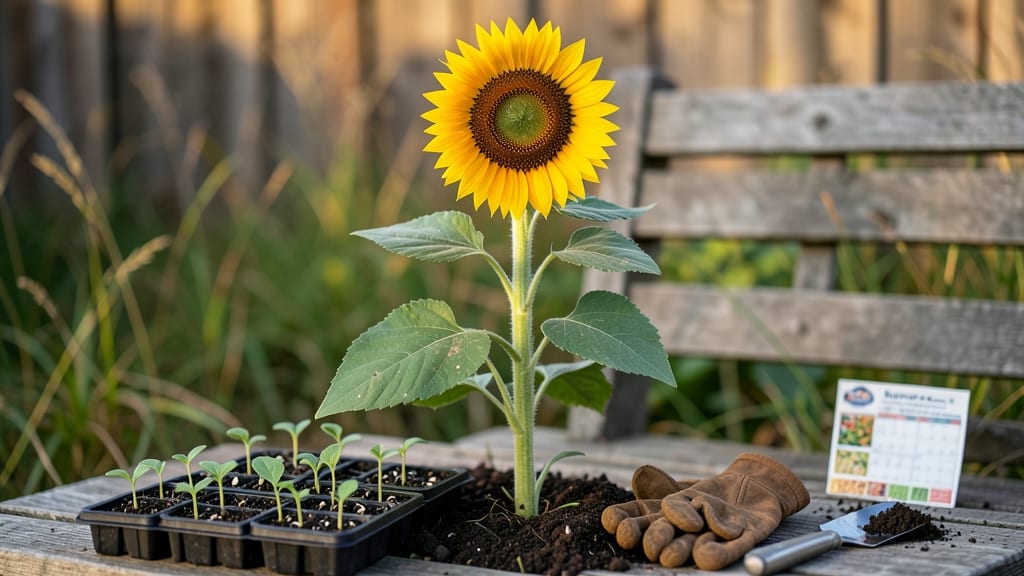
Planting sunflowers in South Carolina happens after your last frost date — typically mid-March for Zone 7A and early February for Zone 8A, but timing shifts with elevation and microclimates.
🌻 Miss that window, and frost will turn your towering sunflowers into sad, stunted stalks. Plant too late, and summer’s brutal heat can stunt growth or attract pests before blooms even appear. The key is knowing your zone’s frost-free deadline and adjusting for soil warmth.
South Carolina’s climate zones complicate things: Upstate gardeners in Zone 7A have a shorter window than Lowcountry growers in Zone 8A, where milder winters let you start earlier. Even within zones, elevation and urban heat islands can shift the ideal planting date by weeks.
Below, I break down the exact frost-free dates for your USDA zone, soil temperature tests to confirm readiness, and how to stretch your planting window with row covers or fall sowing—plus the top 3 sunflower varieties that thrive in SC’s heat and humidity.
South Carolina sunflower planting deadlines by USDA Zone (7A vs 8A)
Sunflowers thrive in South Carolina’s warm climate, but timing depends on your USDA Zone and whether you’re planting in spring or fall. Zone 7A (Upstate) has earlier frost risks, while Zone 8A (Coastal) enjoys longer growing seasons.
I’ll break down the ideal planting windows for both zones, including soil temperature thresholds and frost-free averages.
In Zone 7A, the last average frost date is around April 15, while Zone 8A typically sees frost-free conditions by March 15. These dates shift your planting deadlines by about 30 days.
For sunflowers, which need warm soil (60°F+) to germinate, timing is critical to avoid stunted growth or frost damage.
Direct sowing is the best method for sunflowers, but starter plants can be used in Zone 7A to extend the season. Below, I’ve outlined the optimal planting windows for both zones, including soil temperature requirements and transplant tips.
| Zone | Last Frost Date | Spring Planting Window | Soil Temp Threshold | Fall Planting Window |
|---|---|---|---|---|
| 7A (Upstate) | April 15 | April 20 – May 15 | 60°F+ | August 1 – September 1 |
| 8A (Coastal/Lowcountry) | March 15 | March 20 – April 30 | 60°F+ | September 1 – October 1 |
*Fall planting is riskier in Zone 7A due to earlier frost.
For Zone 7A gardeners, aim to plant sunflowers after April 20 to avoid frost. If you start indoors, transplant seedlings after May 1 when soil temperatures are consistently above 60°F.
In Zone 8A, you can start as early as March 20, giving your sunflowers a head start for summer blooms.
Fall planting is possible in both zones but carries higher frost risk in Zone 7A. In Zone 8A, you can push sunflowers until October 1, but avoid planting after September 15 in Zone 7A. Fall sunflowers may not reach full maturity but still provide wildlife benefits and late-season color.
Sunflowers need full sun (6+ hours daily), so choose a sheltered location if your garden has afternoon shade. In Zone 7A’s Upstate, afternoon breezes can stress young plants, so consider mulching to retain moisture and protect roots.
If you’re using starter plants, harden them off for 7–10 days before transplanting. For direct sowing, plant seeds 1 inch deep and 12 inches apart in rows spaced 2 feet apart. Thin seedlings to 18 inches apart once they’re 4–6 inches tall.
Watch for soil warmth—use a soil thermometer to confirm 60°F+ before planting. In Zone 7A, cooler springs may delay germination, so consider black plastic mulch to warm the soil faster. In Zone 8A, humidity can cause seed rot, so ensure well-draining soil.
Pro tip: Succession plant every 2 weeks in spring for continuous blooms. In Zone 8A, you can even squeeze in a second fall crop if planted by August 15. Just be prepared to protect young plants with row covers if frost threatens.
Sunflowers are drought-tolerant once established, but young plants need consistent moisture. Water deeply 2–3 times per week during dry spells, especially in Zone 7A’s hot summers. In Zone 8A, afternoon showers often provide enough rain, but monitor soil moisture closely.
5 Critical factors that determine your sunflower planting success in SC
Sunflowers thrive in South Carolina’s warmth, but success hinges on more than just planting dates. The Piedmont’s cooler nights and the Grand Strand’s humid heat create wildly different growing conditions.
Even within a single county, microclimates can shift your ideal planting window by weeks. Let’s break down the 5 critical factors that separate a vibrant sunflower patch from a flop.
First, soil temperature is non-negotiable. Sunflower seeds need 60°F+ soil to germinate—cold soil slows growth or triggers rot. In Zone 7A, wait until mid-April when soil warms to 62°F; in Zone 8A, early March works.
Use a soil thermometer to avoid guesswork. Moisture matters just as much: 1-1.5 inches of water per week keeps roots happy, but soggy soil invites fungal diseases like damping-off.
Here’s what you absolutely must consider before sticking seeds in the ground:
- Soil Temp: Wait for 60°F+ (Zone 7A: mid-April; Zone 8A: early March). Cold soil = failed germination.
- Moisture: 1-1.5" weekly. Drought stress = stunted growth; overwatering = root rot.
- Sunlight: 6+ hours daily. Partial shade (e.g., near trees) = leggy, weak stems.
- Microclimates: Piedmont = cooler nights; Grand Strand = higher humidity. Adjust watering and mulch accordingly.
- Late Planting Risk: After July 15, blooms may appear before first frost in Zone 7A. Use row covers to extend season.
Sunlight exposure is your next battleground. Sunflowers demand 6+ hours of direct sun daily, but Zone 8A’s intense summer rays can scorch leaves. If planting near trees, choose dwarf varieties like ‘Teddy Bear’ that tolerate partial shade.
In Zone 7A, morning sun with afternoon shade helps prevent heat stress. Test your spot: if a 12-inch ruler casts a shadow longer than 3 inches at noon, relocate.
Microclimates throw another wrench into timing. The Upstate’s Piedmont region has cooler nights, while the Grand Strand battles humidity and salt spray. Adjust by mulching thicker (3-4 inches of straw) in sandy coastal soil to retain moisture, and water deeper (2-3 inches per session) in the Piedmont’s clay-heavy areas.
Even a 50-foot elevation change can shift your ideal planting date by 10 days—use local weather stations (like Clemson’s) for real-time data.
Late plantings after July 15 risk blooms appearing too close to Zone 7A’s first frost (mid-October). Use floating row covers to buy 2-3 weeks by trapping heat and shielding from light frosts.
Remove covers during the day to prevent overheating. For Zone 8A, late plantings can still thrive, but prioritize drought-tolerant varieties like ‘Autumn Beauty’ to handle summer’s heat.
Pro tip: Pair your planting with a risk-assessment checklist. Before sticking seeds in, ask: Is my soil warm enough? Will my spot get 6+ hours of sun? Am I in a humid microclimate?
Adjusting just one of these factors can mean the difference between 12-foot giants and sad, stunted plants. Start with soil temp—it’s the easiest to control—and work your way down the list.