
Watering
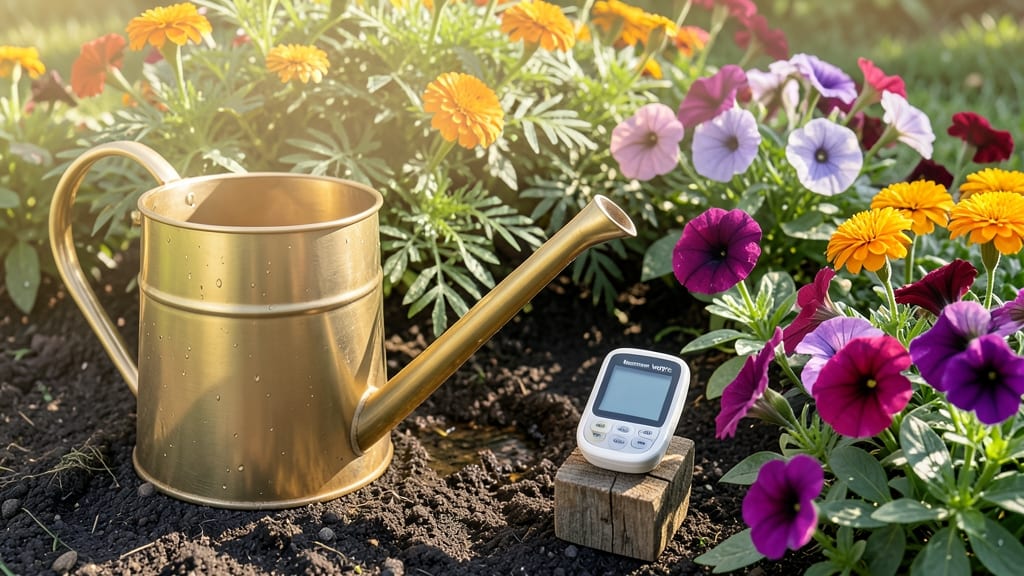
The best time to water your 🌸 flowers is early morning, when the sun is just beginning to rise and evaporation is at its lowest.
Struggling to keep your flowers thriving despite your best efforts? The secret might be as simple as adjusting when you water them—morning hydration can make all the difference in preventing disease, maximizing growth, and saving you time.
Watering in the morning lets the roots absorb moisture before the heat of the day kicks in, giving your flowers a strong start. Plus, it reduces the risk of fungal issues that can pop up when leaves stay wet overnight.
Below, I’ll break down exactly how to time your watering routine for different flower types, seasonal adjustments, and common mistakes to avoid—so you can keep your blooms happy and healthy all year long.
Why morning watering boosts flower health and growth
If you’ve ever wondered why your roses or petunias look perkier after a morning watering session, science has the answer. Watering flowers in the early hours isn’t just a gardener’s habit—it’s a strategic move that aligns with how plants naturally absorb moisture and defend against pests.
Studies show that morning hydration reduces fungal diseases by up to 50%, thanks to faster evaporation and less prolonged leaf wetness.
When you water in the morning, you’re essentially giving your flowers a head start for the day. The roots absorb water before the sun intensifies, which means nutrient uptake is more efficient.
Plus, plants transpire actively during daylight, using that morning moisture to fuel photosynthesis and growth. Think of it like a refreshing sunrise workout for your blooms!
Another key benefit is water conservation. Morning watering minimizes evaporation losses, so less water is wasted compared to midday or evening sessions. This is especially critical during hot summer months when up to 30% more water can evaporate if applied later in the day.
Plus, you’ll spend less time fussing over your hose or watering can.
Morning watering also disrupts the life cycles of pests like slugs and aphids, which are most active at night. By hydrating your flowers early, you’re creating an unwelcoming environment for these critters while giving beneficial insects like ladybugs a chance to patrol your garden before the heat sets in.
| Time of Day | Benefits | Risks | Best For |
|---|---|---|---|
| Early Morning (6-9 AM) | Maximizes root absorption, reduces fungal risks, conserves water | Minimal (if overwatered) | All flowers, especially roses and hydrangeas |
| Midday (10 AM-3 PM) | Quick evaporation reduces fungal risk | High evaporation wastes water, can scorch leaves | Drought-tolerant succulents and lavender |
| Evening (6-9 PM) | Cools plants in extreme heat | Prolongs leaf wetness, increases fungal diseases like powdery mildew | Emergency hydration only (avoid routine) |
| Night (After 9 PM) | None (avoid entirely) | Maximizes fungal growth, attracts pests, wastes water | Never recommended |
Plants have their own internal clocks, and morning watering syncs with their natural rhythms. Most flowers enter a state of active growth as temperatures rise, so providing moisture early ensures they’re ready to photosynthesize efficiently.
For example, tomatoes and peppers (which are technically fruits but often grown for their flowers) show 30% faster growth when watered in the morning compared to evening.
Let’s talk about nutrient absorption—this is where morning watering truly shines. When soil is moist in the morning, roots can access nitrogen, phosphorus, and potassium more effectively. These nutrients are crucial for bloom production and root development.
Without proper hydration, your flowers might produce fewer blooms or weaker stems, leading to floppy marigolds or drooping geraniums.
One of the biggest myths in gardening is that watering at night is harmless. In reality, evening watering creates the perfect conditions for fungal spores to thrive. The moisture lingers on leaves overnight, giving diseases like black spot or rust the opportunity to take hold.
I’ve seen entire beds of hostas and daylilies succumb to these issues simply because they were watered too late in the day.
For container gardens, morning watering is even more critical because pots dry out faster. The soil in containers heats up quickly, and without morning moisture, roots can become stressed. A quick check with your finger—if the top 1 inch of soil feels dry, it’s time to water.
Pro tip: Use a self-watering globe for potted flowers to maintain consistent moisture without overdoing it.
Seasonal adjustments matter too. In summer, you might need to water twice in the morning—once at dawn and again mid-morning—to combat heat stress. During spring and fall, a single morning session is usually sufficient.
Always monitor your garden’s response: wilted leaves by midday signal underwatering, while yellowing foliage suggests overwatering.
So next time you reach for your watering can, remember: the clock is your ally. By committing to a morning routine, you’re not just watering your flowers—you’re setting them up for a season of vibrant blooms, stronger roots, and fewer headaches. Your garden (and your plants) will thank you!
Step-by-step morning watering routine for different flower types
Not all flowers have the same watering needs, so tailoring your morning routine to their type is key. Annuals like marigolds and petunias thirst quickly, while perennials such as daylilies and coneflowers store moisture better.
Tropical varieties like hibiscus and bird of paradise demand consistent dampness, whereas drought-resistant types like lavender and yarrow prefer less frequent, deeper watering.
Your watering schedule should also shift with the seasons.
In summer heat, most flowers need watering every 2-3 days, while spring and fall typically require watering every 5-7 days. Winter dormancy reduces needs to once every 10-14 days, unless you're growing winter-blooming varieties like pansies or heather.
- 🌞 6:00–8:00 AM – Water annuals and tropicals (e.g., hibiscus, begonias) with ½–1 inch of water per week. Use a soaker hose to avoid wetting foliage.
- 🌿 8:00–10:00 AM – Perennials (e.g., black-eyed Susans, shasta daisies) need deep watering every 5–7 days. Focus on the root zone to encourage deeper roots.
- ☀️ 10:00 AM+ (Hot Days) – Drought-tolerant flowers (e.g., lavender, sedum) only need watering when soil is bone-dry. Apply 1–2 inches of water every 10–14 days in summer.
- 🌧️ Rainy Days – Skip morning watering if ½ inch+ of rain has fallen in the past 24 hours. Check soil moisture with your finger—if the top 1–2 inches are damp, hold off.
- 🌱 Newly Planted Flowers – Water deeply every 2–3 days for the first 2 weeks to help roots establish. Use a watering can with a long spout for precision.
Adjust your routine based on soil type too. Sandy soil drains quickly, so water more frequently but less deeply, while clay soil holds moisture longer—water less often but thoroughly. Always water at the base of plants to avoid fungal diseases like powdery mildew, which thrives when leaves stay wet.
For container-grown flowers, check soil moisture daily in summer. Containers dry out faster, so water when the top ½ inch of soil feels dry. Use well-draining pots with drainage holes to prevent root rot, and consider self-watering containers for tropical varieties.
Pro tip: Use a rain gauge or tuna can to measure water amounts accurately. Aim for consistency—flowers stressed by uneven watering may drop buds or develop weak stems. With this routine, your blooms will stay vibrant, healthy, and ready to thrive all season long.