
Size
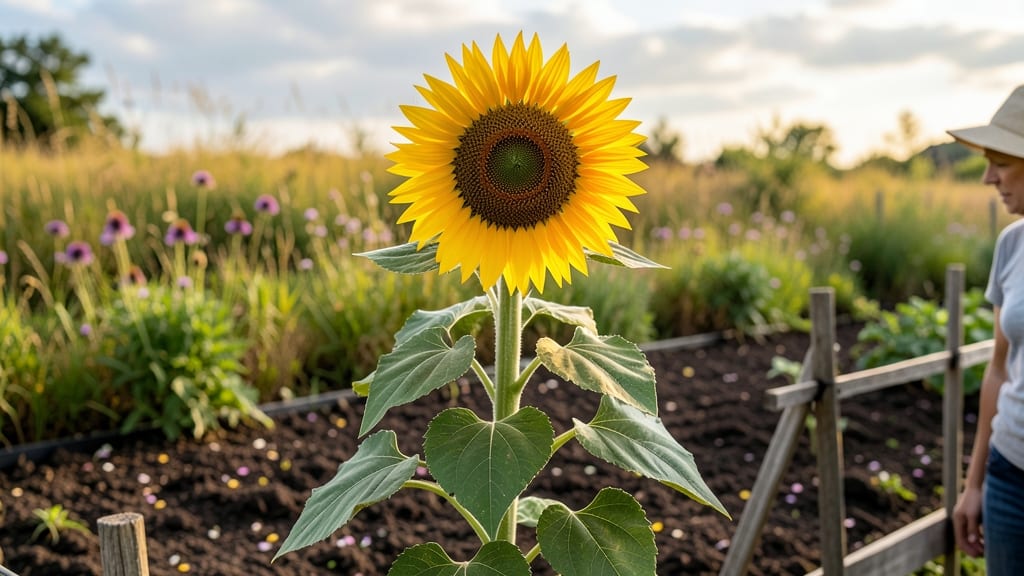
How tall do mammoth sunflowers get? You might be surprised—some varieties can tower 10 to 16 feet tall, making them the true giants of the garden world.
Picture this: a towering 14-foot sunflower swaying in your backyard, its petals reaching higher than a basketball hoop.
If you’ve ever dreamed of sunflowers that turn heads, these are the ones—but their height comes with a few surprises, like how they need extra support and the right growing conditions to stay strong.
Not all Mammoth sunflowers hit the same height. Some, like the classic 'Mammoth Russian,' can stretch toward 16 feet with ideal care, while others stay closer to 10 feet. The difference? Soil quality, sunlight, and even the variety you choose all play a role in how tall they’ll grow.
In this guide, I’ll break down exactly how tall Mammoth sunflowers get by variety, share pro tips to maximize their height, and show you how to keep them standing tall—no flopping or weak stems allowed.


Mammoth sunflower height by variety: exact measurements and growth expectations
If you're planning a garden that makes a bold statement, Mammoth sunflowers are the stars of the show—but their heights can vary dramatically depending on the variety. Some reach heights that will make your neighbors do a double-take, while others stay more manageable.
The key is understanding which cultivars thrive in your climate and how to coax them to their full potential. Let’s break down the exact heights you can expect from the most popular Mammoth sunflower varieties, along with the factors that influence their growth.
From the towering Mammoth Russian to the striking Mammoth Double, these sunflowers aren’t just tall—they’re architectural marvels. But their height isn’t just about genetics; soil quality, sunlight exposure, and even watering habits play critical roles.
For example, a Mammoth Single planted in nutrient-rich soil with full sun might top out at 14 feet, while the same variety in poorer conditions could struggle to reach 10 feet. Let’s explore the specifics so you can set realistic expectations and plan your garden accordingly.
The average height of Mammoth sunflowers typically ranges from 10 to 16 feet, but some varieties can exceed this range under ideal conditions.
For instance, the Autumn Giant is known to push past 16 feet in the right environment, while others like the Mammoth Single tend to stay closer to the lower end of the spectrum unless given extra care.
Understanding these nuances will help you choose the perfect variety for your space and climate, whether you're aiming for a backyard focal point or a cut flower garden.
Here’s a visual comparison of the top 5 Mammoth sunflower varieties, including their average heights, mature ranges, and key characteristics to help you decide which one fits your garden best.
The Mammoth Russian and Autumn Giant are the tallest varieties, often reaching heights that will make your garden feel like a sunflower forest. If you’re aiming for a dramatic focal point, these are the varieties to choose, but be prepared for their need for sturdy support and ample space.
On the other hand, the Mammoth Double is more compact, making it ideal for smaller gardens or container growing, though it may require extra care to reach even its modest height potential.
One of the biggest factors affecting height is soil quality. Mammoth sunflowers thrive in well-draining, nutrient-rich soil with a pH between 6.0 and 7.5.
If your soil is heavy clay or sandy, amending it with compost or organic matter can make a significant difference in how tall your sunflowers grow.
For example, adding a 5-10-10 fertilizer at planting time and again when the plants are about 12 inches tall can boost growth by up to 20%. Without these nutrients, your sunflowers might struggle to reach their full height, even if they’re genetically predisposed to be tall.
Sunlight exposure is another critical factor. Mammoth sunflowers require full sun, meaning at least 6-8 hours of direct sunlight per day. If you’re growing them in a location with partial shade, you can expect their height to be stunted, sometimes by as much as 30%. For instance, a Mammoth Russian in full sun might reach 16 feet, but in partial shade, it could max out at 12 feet. If your garden doesn’t get enough sunlight, consider planting shorter varieties like the Mammoth Double or using reflective surfaces to maximize light exposure.
Climate also plays a role in how tall your Mammoth sunflowers grow. In warmer climates with long growing seasons, sunflowers can grow taller and faster. For example, in USDA Zone 9 or 10, the growing season extends well into fall, giving sunflowers more time to mature.
In contrast, in cooler climates like Zone 5 or 6, the shorter growing season might limit their height, especially if frost arrives early. If you’re in a cooler climate, start seeds indoors 4-6 weeks before the last frost date to give your sunflowers a head start.
Finally,
How to maximize Mammoth sunflower height: proven growth tips for gardeners
Want to grow Mammoth sunflowers that reach their full potential? These giants of the garden world need the right conditions to stand tall—sometimes 12 to 16 feet or more! The key lies in soil preparation, consistent care, and smart support techniques.
Without proper attention, even the hardiest varieties can end up stunted or prone to lodging (falling over). Let’s explore how to give your sunflowers the best chance to tower over your garden like nature’s skyscrapers.
First, focus on nutrient-rich, well-draining soil. Mammoth sunflowers thrive in loose, fertile soil packed with organic matter. Amend your garden beds with compost or aged manure before planting.
These plants are heavy feeders, so avoid compacted or clay-heavy soil, which can stunt root growth and limit their height. Test your soil’s pH—aim for a neutral range (6.0–7.0)—and adjust with lime or sulfur if needed.
🌱 Numbered Highlights: Proven Tips to Maximize Mammoth Sunflower Height
- 🌱 Soil Prep: Mix in 3–4 inches of compost and 1 cup of balanced fertilizer (10-10-10) per planting hole for extra nutrients.
- 💧 Watering: Water deeply 2–3 times per week, especially during budding and flowering stages (June–August).
- ✂️ Staking: Install bamboo stakes (3–4 feet tall) at planting and tie stems with soft garden twine as they grow.
- 🌡️ Climate: Plant in full sun (6+ hours daily) and avoid late spring frosts—wait until soil is 60°F+.
- 🌿 Avoid Overcrowding: Space seeds 18–24 inches apart to prevent stem competition for sunlight and nutrients.
Consistent watering schedules are another game-changer. Mammoth sunflowers need 1–2 inches of water per week, especially during their growth spikes in late spring and summer. Water deeply at the base in the morning to encourage strong root development and prevent fungal diseases like powdery mildew.
Mulch around the base with straw or wood chips to retain moisture and suppress weeds, which compete for nutrients.
One of the biggest mistakes gardeners make is skipping staking. These giants can weigh 10+ pounds when fully grown, and their thin stems often snap under their own weight.
Install 3–4 foot stakes at planting time and use soft ties (like old t-shirts or garden twine) to secure stems as they grow. Avoid plastic ties—they can girdle stems as the plant thickens. For extra support, consider trellis systems or cattle panels in windy areas.
Timing your planting is crucial too. Start seeds indoors 4–6 weeks before your last frost date or sow directly outdoors after soil warms to 55°F+. In cooler climates (USDA Zones 3–5), opt for early-maturing varieties like ‘Mammoth Single’ to avoid fall frosts cutting growth short.
If you’re in a hot, dry region, prioritize shade cloth during peak afternoon sun to prevent stress.
Finally, watch for common height killers: overcrowding, poor drainage, and nutrient deficiencies. If your sunflowers start yellowing or wilting, they may need more phosphorus (for roots) or potassium (for stem strength).
Side-dress with a low-nitrogen fertilizer (like 5-10-10) mid-season to boost height without encouraging leafy growth at the expense of stems.
With these tips, your Mammoth sunflowers will reach their full potential height, turning your garden into a breathtaking vertical display. Happy growing—your future skyline awaits! 🌻