
Blooming
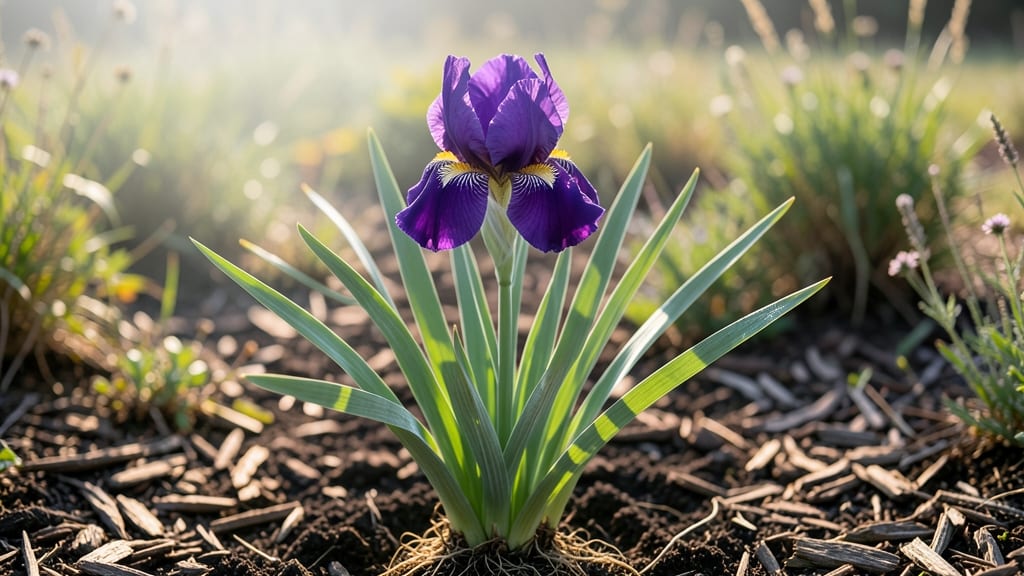
The iris flower season spans from early spring to late summer 🌸, with blooms that can last for weeks if you choose the right varieties and care for them properly.
If you’ve ever wondered why your irises bloom at different times—or why some neighbors’ gardens explode with color while yours stays quiet—timing is everything.
In USDA Zone 6a, where many gardeners live, irises typically burst into bloom between March and May, but the exact timing depends on the variety and your local climate.
Below, I’ll break down how to pick the best iris types for your region, extend their blooming season, and keep those vibrant petals coming back year after year.
Iris flower season by USDA zone: when to expect blooms
Timing is everything when it comes to iris blooms, and your USDA hardiness zone plays a starring role. Whether you're in the chilly Pacific Northwest or the balmy Deep South, understanding these patterns helps you plan for a garden bursting with color.
Irises typically bloom in late spring to early summer, but exact timing shifts with climate and variety.
In cooler zones like USDA 3-5, early bloomers like Iris reticulata may appear as early as March or April, while warmer zones like USDA 9-10 might see late-season varieties flowering into June or July.
Regional microclimates—like coastal fog or mountain valleys—can also push blooms earlier or later by weeks.
Climate affects dormancy too. In USDA 6-8, where most gardeners live, irises often enter dormancy in late summer after blooming, while tropical zones may see year-round growth with staggered blooms. Let’s break down what to expect in your zone:
| USDA Zone | Bloom Season | Early Varieties | Late Varieties | Dormancy Period |
|---|---|---|---|---|
| 3-5 | March–May | Iris reticulata | Iris germanica (late) | July–September |
| 6-7 | April–June | Iris sibirica | Iris pallida | June–August |
| 8-9 | May–July | Iris xiphium | Iris laevigata | August–October |
| 10 | April–June (year-round) | Iris ensata | Iris kaempferi | Minimal dormancy |
Note: Regional microclimates may shift bloom windows by 2-4 weeks.
In USDA zones 3-5, where winters are harsh, early bloomers like Iris reticulata take advantage of brief spring warmth. These dwarf irises often flower in March or April, just as snow melts, while taller bearded irises (Iris germanica) may wait until May or June.
Warmer zones like USDA 8-10 experience longer bloom seasons. In Southern California or Florida, you might see Japanese irises (Iris ensata) blooming from April through June, while Louisiana or Texas gardeners may enjoy staggered blooms into July.
Pacific Northwest gardeners in USDA 7-8 often face cooler, wetter springs, delaying blooms until late May or June. Meanwhile, Midwestern zones 5-6 typically see peak blooms in May, with some varieties lingering into early July.
Climate also dictates dormancy. In USDA 6-8, irises enter dormancy after blooming, conserving energy for next year’s flowers. In USDA 9-10, dormancy may be minimal or nonexistent, allowing for year-round growth and staggered blooms.
To extend your iris season, plant a mix of early, mid, and late bloomers. For example, pair Iris reticulata (early) with Iris germanica (late) to enjoy color from March through July. Adjust watering and sunlight to match your zone’s climate patterns.
Regional variations matter too. Coastal areas may see delayed blooms due to cooler ocean breezes, while inland zones might bloom weeks earlier thanks to warmer temperatures. Always check local frost dates and microclimates for the most accurate timing.
Understanding your zone’s patterns lets you plan for continuous blooms and troubleshoot delays. Whether you’re in Alaska’s zone 3 or Florida’s zone 10, irises reward patience with stunning displays—if you time it right! 🌸
Best Iris varieties for specific bloom seasons: early, mid, and late
Creating a garden that bursts with iris blooms from early spring through late summer is easier than you think—it all starts with selecting the right varieties. Each iris type has its own bloom season, and by layering early, mid, and late-season varieties, you can enjoy continuous color.
Whether you're in a cold northern climate or a warm southern region, there's an iris perfect for extending your flowering season.
Early bloomers like Iris reticulata and Iris verna bring winter and early spring color, while robust Iris germanica varieties dominate mid to late summer. The key is understanding their height, color palette, and care requirements to create a harmonious display.
Let's dive into the best choices for each bloom season and how to combine them for year-round interest.
- 1. Early Season (Winter-Spring): Iris reticulata ('White Swan' - 6-8", white blooms, USDA 4-8); thrives in full sun and well-draining soil. Ideal for rock gardens or containers.
- 2. Mid Season (Spring): Iris verna ('Harvest Moon' - 8-10", yellow blooms, USDA 4-9); perfect for dry climates with minimal care. Plant in well-draining soil to prevent rot.
- 3. Late Season (Summer): Iris germanica ('Cadence' - 24-36", purple blooms, USDA 3-9); loves full sun and rich soil. Stake taller varieties to prevent flopping in wind.
- 4. Extended Bloom (Spring-Fall): Iris sibirica ('Caesarea' - 24-36", blue blooms, USDA 3-8); tolerates partial shade and moist soil, making it versatile for various garden spots.
- 5. Dwarf Options (All Seasons): Iris pumila ('Dwarf Blue' - 4-6", blue blooms, USDA 4-8); ideal for border edging or ground cover in rock gardens.
For a continuous bloom display, combine Iris reticulata (winter) with Iris verna (early spring) and top off with Iris germanica (summer). This trio ensures your garden has color from February through September.
Plant taller varieties at the back and shorter ones in front to create depth and visual interest.
When planting, always ensure well-draining soil to prevent rhizome rot, especially for early bloomers that often face wet conditions. Amend heavy clay soil with compost or sand to improve drainage.
Most irises prefer full sun (6+ hours daily), but Iris sibirica can tolerate partial shade, making it great for woodland gardens.
After blooming, remove spent flower stalks but leave the foliage until it yellows—this ensures the rhizomes store energy for next year's blooms. In fall, apply a light layer of mulch to protect early bloomers from freezing temperatures while allowing water penetration.
This simple step can extend the life of your iris rhizomes by years.
With this layered approach, you'll transform your garden into a year-round iris paradise, where every season brings a new wave of color and life. Start with just a few varieties, observe their performance, and gradually expand your collection for even more stunning results. Happy gardening! 🌿