
Flowers
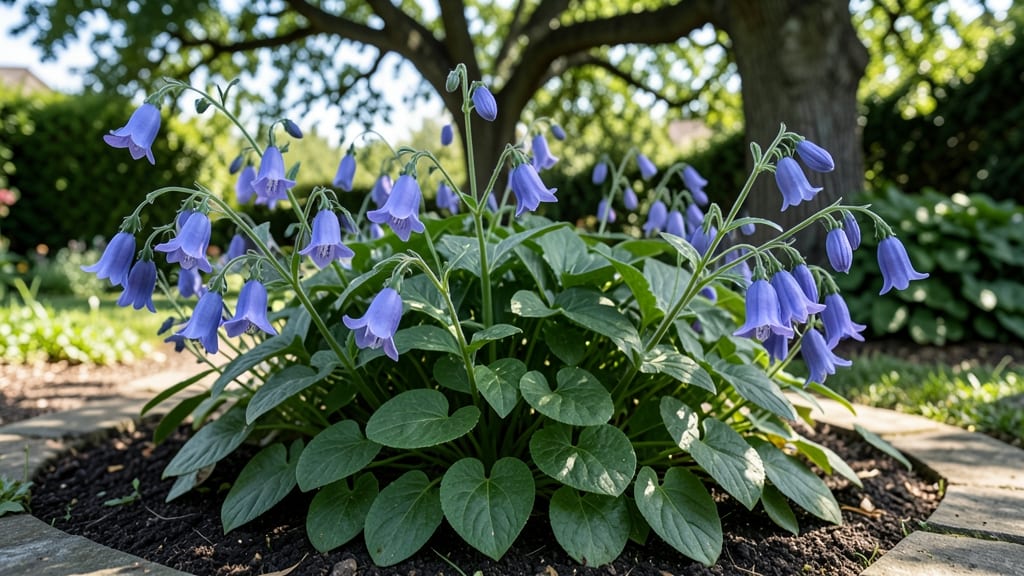
Growing a real Rapunzel flower 🌼—that towering, fairy-tale vine with edible blooms—is easier than you think, even for beginners.
Picture this: a lush, three-foot-tall perennial bursting with bell-shaped flowers you can eat, all while repelling pests naturally. That’s the magic of Campanula Rapunculus, a plant that thrives in Zone 6 and beyond with minimal fuss.
Whether you’re dreaming of a cottage-garden staple or a low-maintenance edible border, this guide covers everything from planting in March-April to harvesting vibrant blooms by June-August.
You’ll learn how to coax taller vines, troubleshoot common issues, and even use every part of the plant—leaves, flowers, and all. Let’s get those roots in the ground!
How to grow Rapunzel flower vines: planting, spacing & sunlight needs
Growing Rapunzel flowers (Campanula rapunculoides) is like cultivating a living fairy tale—these towering vines produce edible blooms and lush greens that thrive with minimal fuss.
Whether you're planting in containers or garden beds, understanding their spacing, sunlight needs, and soil preferences will ensure your vines reach their full 3-foot height and produce abundant flowers. Let’s dive into the essentials for a thriving Rapunzel garden.
One of the first decisions you’ll make is choosing the right location. Rapunzel flowers prefer partial shade to full sun, making them versatile for gardens with varying light conditions. In hotter climates, afternoon shade protects their delicate leaves, while cooler regions can handle full sun exposure.
The key is balancing morning sunlight (for energy) with afternoon shade (to prevent wilting). This dual exposure mimics their natural habitat in woodland edges.
| Requirement | Specification |
|---|---|
| Plant Type | Perennial vine |
| Sunlight Needs | Partial shade to full sun (4-6 hours) |
| Soil Type | Well-draining, slightly acidic (pH 6.0-7.0) |
| Spacing (Mature) | 3-4 feet apart (allows vine spread) |
| Planting Season | Early spring (March-April) or fall |
| Mature Height | 3 feet (taller than standard countertops) |
| Water Needs | Medium (1 inch per week, avoid waterlogging) |
| Fertilizer | Balanced 10-10-10, every 4-6 weeks in growing season |
The ideal spacing for Rapunzel flowers is 3-4 feet apart, which may seem generous, but their vines spread aggressively. Planting them too closely leads to crowded foliage, which reduces airflow and increases the risk of fungal diseases.
If you’re growing in containers, choose large pots (at least 12 inches wide) to accommodate their root system. For garden beds, consider adding a trellis or support structure early—these vines love to climb and will reward you with vertical growth and stunning cascades of blue-purple blooms.
When it comes to soil requirements, Rapunzel flowers thrive in well-draining soil with a slightly acidic to neutral pH (6.0-7.0). Amend heavy clay soils with compost or sand to improve drainage, and avoid waterlogged conditions, which can cause root rot.
A mulch layer (2-3 inches) helps retain moisture and suppress weeds, while also keeping roots cool during hot summer months. If your soil is sandy, mix in organic matter like leaf mold to retain moisture.
Timing your planting season is crucial for success. In USDA zones 4-9, the best time to plant Rapunzel flowers is in early spring (March-April), about 2-3 weeks before the last frost. This gives roots time to establish before summer heat sets in.
Fall planting (September-October) is also viable in milder climates, allowing roots to settle before winter dormancy. For container gardening, you can plant anytime, but avoid extreme heat or cold, which stresses young plants.
Once planted, sunlight exposure directly impacts flower production. While Rapunzel flowers tolerate partial shade, they produce the most vibrant blooms with 4-6 hours of morning sun. In shadier gardens, supplement with a grow light during winter months to maintain growth.
If your garden receives full sun all day, provide afternoon shade during peak summer heat (12 PM–4 PM) to prevent leaf scorch. A simple shade cloth or strategic planting near taller plants works wonders.
To encourage maximum vine growth, water deeply once a week, providing about 1 inch of water per week. During drought conditions, increase frequency to every 5-7 days, but avoid overhead watering to prevent disease spread.
Water at the base of the plant in the morning to allow foliage to dry quickly. In container gardens, check soil moisture daily—pots dry out faster and require more frequent watering. A self-watering pot can help maintain consistent moisture levels.
After establishing your Rapunzel flowers, seasonal care ensures long-term success. In spring, apply a balanced fertilizer (10-10-10) to promote lush growth. During summer, reduce fertilization to every 6-8 weeks and focus on pruning spent blooms to encourage continuous flowering.
In fall, cut back dead foliage but leave seed heads for winter interest and natural reseeding. Mulch heavily before winter to protect roots from freezing temperatures in colder zones.
One common mistake gardeners make is overcrowding plants, which leads to weak stems and fewer blooms. Always follow the 3-4 foot spacing
Rapunzel flower harvesting secrets: when, how & which parts to use
Harvesting your Rapunzel flower (Campanula rapunculoides) is like unlocking a treasure chest of edible beauty. This versatile plant offers young leaves for salads, vibrant flowers as garnishes, and even nutritious seeds for culinary uses.
Timing and technique are everything to ensure you get the best flavors and encourage continuous growth.
For optimal harvests, focus on spring through early summer when the plant is most productive. The key is to harvest strategically—leaves early in the season, flowers at peak bloom, and seeds when they’ve fully matured. Let’s dive into the step-by-step secrets to maximize your yield without harming your plant.
-
1. Harvest Young Leaves
Pick tender leaves in spring (April-May) when they’re 4-6 inches tall. Use clean pruning shears to snip just above a leaf node to encourage regrowth. -
2. Collect Flowers at Peak Bloom
Harvest fully open flowers in June-July by cutting the entire stem just below the bloom. Avoid over-picking—leave at least 3-4 flowers per stem for reblooming. -
3. Save Seeds for Next Season
Let some flowers wilt naturally in late summer to form seed pods. Harvest when pods turn brown and dry (August-September) and store in a cool, dry place. -
4. Prune for Continuous Growth
After harvesting, trim 1/3 of the plant’s height to encourage bushier growth. Always use sterilized shears to prevent disease.
Young Rapunzel leaves are packed with vitamin C and iron, making them a fantastic addition to spring salads. Harvest them in the morning after dew has dried for the freshest flavor. Use a sharp knife or shears to avoid damaging the plant’s delicate stems.
The blue-purple flowers are edible and add a pop of color to dishes. They’re best picked when fully open but before they start wilting. Gently twist the stem at the base to avoid tearing the plant.
You can use them raw in salads or infuse them into honey or syrups for a floral twist.
Don’t forget about the seeds! Once mature, they can be dried and stored for next year’s planting. The seeds are also rich in omega-3 fatty acids and can be sprinkled on yogurt or oatmeal for a nutty crunch. Just ensure they’re fully dry before storing to prevent mold.
To keep your Rapunzel plant thriving, always harvest no more than 1/3 of the plant at once. Over-harvesting can stress the plant and reduce future yields. After each harvest, fertilize lightly with a balanced 10-10-10 mix to replenish nutrients.
With these harvesting secrets, your Rapunzel flower will reward you with abundant greens, stunning blooms, and nutritious seeds year after year. Happy harvesting! 🌼🌿✂️