
Flowers
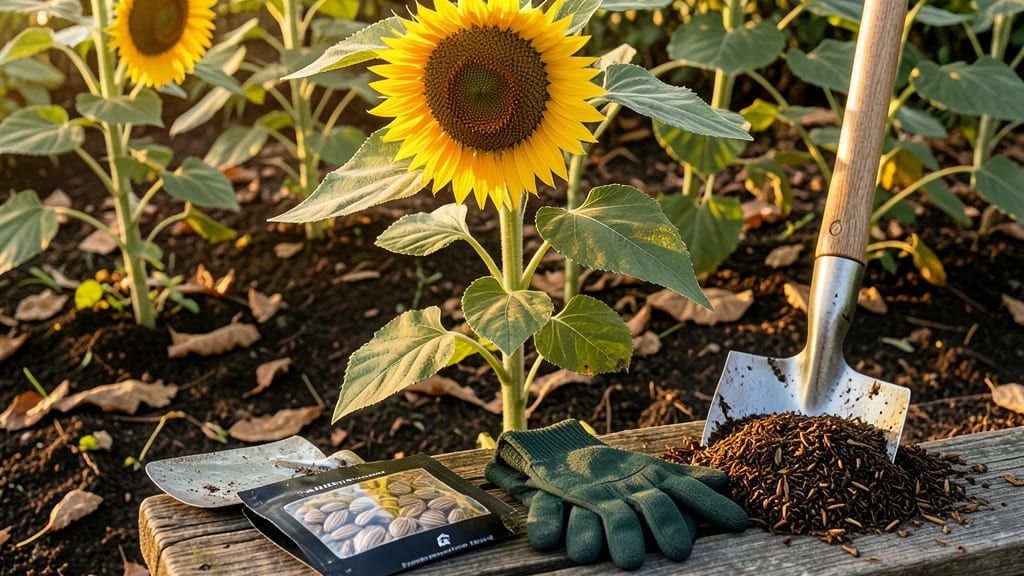
Planting sunflowers in Tennessee between mid-April and early June after the last frost ensures those towering 🌻 blooms you’ve been dreaming of.
Sunflowers aren’t just cheerful additions to your garden—they thrive best when planted at the perfect time in Tennessee’s unique climate. Get the timing wrong, and you’ll miss out on those towering blooms that can reach 12 feet tall!
Whether you’re in the 6a-7b zones of the mountains or the warmer valleys, the key is knowing when the soil warms and the frost risk fades. We’ll break down the exact months for your region and share pro tips to adjust for Tennessee’s unpredictable weather.
From choosing the right varieties to avoiding common mistakes, you’ll learn how to grow sunflowers that stand taller than you—and stay vibrant all summer long.
Best planting months for sunflowers in Tennessee by USDA zone
Tennessee’s USDA zones 6a-7b offer perfect conditions for growing sunflowers, but timing is everything. Plant too early, and frost will nip young sprouts. Wait too long, and your towering 12-foot giants might not reach their full potential before winter.
The key is understanding your specific zone’s last frost date and soil temperature trends.
Most Tennessee gardeners fall into zones 6a (coldest) or 7b (warmest). In zone 6a, the average last frost date hovers around April 15th, while zone 7b typically sees its final frost by April 1st.
These dates serve as your planting launchpad, but regional microclimates—especially in the mountains vs. valleys—can shift timing by weeks.
For direct sowing (the preferred method), aim to plant sunflower seeds 2-3 weeks after your last frost date. This gives young plants time to establish roots before summer’s heat arrives.
In zone 6a, that means mid-April to early May, while zone 7b gardeners can start as early as late March in sheltered areas.
Here’s the golden window for Tennessee sunflowers by zone, including frost risk factors and variety recommendations:
If you’re growing early-maturing varieties like ‘Teddy Bear’ (ready in 50 days), you can push planting to late May for a fall harvest. These varieties work well in container gardens or small spaces, giving you flexibility to extend your growing season.
For late-summer blooms, focus on tall varieties like ‘Russian Giant’ or ‘Mammoth’, which need the full 120-day growing season to reach their 12-foot heights. Plant these by mid-April at the latest to ensure they mature before Tennessee’s first frost in October.
Soil temperature is just as critical as air temperature. Sunflower seeds won’t germinate until the soil reaches 50°F (10°C). In Tennessee’s valley regions, this happens by mid-March, while mountain areas may need to wait until late April.
Use a soil thermometer to check—it’s the surest way to time your planting.
One common mistake Tennessee gardeners make is planting sunflowers too close together. While they’re drought-tolerant once established, crowded plants compete for nutrients and sunlight, resulting in shorter stems and fewer blooms. Space seeds 6 inches apart initially, then thin to 12-24 inches as they grow.
For maximum height, prioritize full-sun locations (6+ hours daily) and well-draining soil. Amend heavy clay soils with compost to improve drainage—a critical factor in Tennessee’s humid summers, which can lead to root rot if water pools.
Remember, sunflowers are annuals, so each planting cycle gives you a fresh start. Experiment with succession planting: sow a second batch in June for late-summer blooms, especially in zone 7b where the growing season extends longer.
How to adjust planting time for Tennessee’s unpredictable weather patterns
Tennessee’s weather can swing from freezing late frosts in April to scorching 90-degree heat waves by June, making sunflower planting a delicate balance. These fast-growing giants need warmth to germinate but can bolt in sudden heat—so timing matters more than you’d think.
I’ve learned the hard way that planting too early risks frost damage, while waiting too long cuts bloom time short.
Start by checking your local frost dates—most of Tennessee sees its last frost between mid-April and early May, but mountain regions (like USDA Zone 6a) can hold frost until May 15.
For valley areas (like Zone 7b), you might be safe planting by April 15. Use a soil thermometer to confirm—seeds need soil temps of 55°F+ to sprout reliably.
⚠️ callout-warning ⚠️
🌡️ Warning: Late Frost Risks
Never plant sunflowers before your average last frost date—even if soil feels warm. Young seedlings can’t survive 32°F+ temps. Use row covers if planting early, but remove them by May 1 to prevent overheating.
💡 Pro Tip: Test soil moisture weekly. Dry spells after planting can stall germination—keep soil consistently moist until sprouts appear.
If you’re in a high-altitude area (like the Great Smoky Mountains), delay planting until May 10 to avoid frost. For lowland regions (like Memphis or Nashville), you can start as early as April 1 for early varieties like ‘Teddy Bear’, which tolerate cooler temps.
Always plant afternoon sun seeds to help them warm up faster.
Heat waves can also shorten bloom time—if temps hit 90°F+ before plants reach 3 feet tall, they’ll bolt (go to seed) prematurely. To combat this, choose heat-tolerant varieties like ‘Russian Giant’ or ‘Autumn Beauty’, and plant in partial shade cloth during extreme heat.
Mulch with straw to keep roots cool and retain moisture.
For extended growing seasons, try a successive planting strategy: sow a small batch every 2 weeks from April to June. This ensures continuous blooms from July through October, even if early plantings struggle with heat.
Just remember—late June plantings may not flower before frost, so stop by July 1 in northern Tennessee.
Finally, monitor your soil temperature closely. Sunflowers prefer 60–90°F soil, but below 50°F delays germination by weeks. Use black plastic mulch to warm soil faster in cool springs.
With these adjustments, you’ll maximize those 12-foot-tall blooms and enjoy sunflowers from summer through fall—no matter what Tennessee throws your way. 🌻