
Flowers
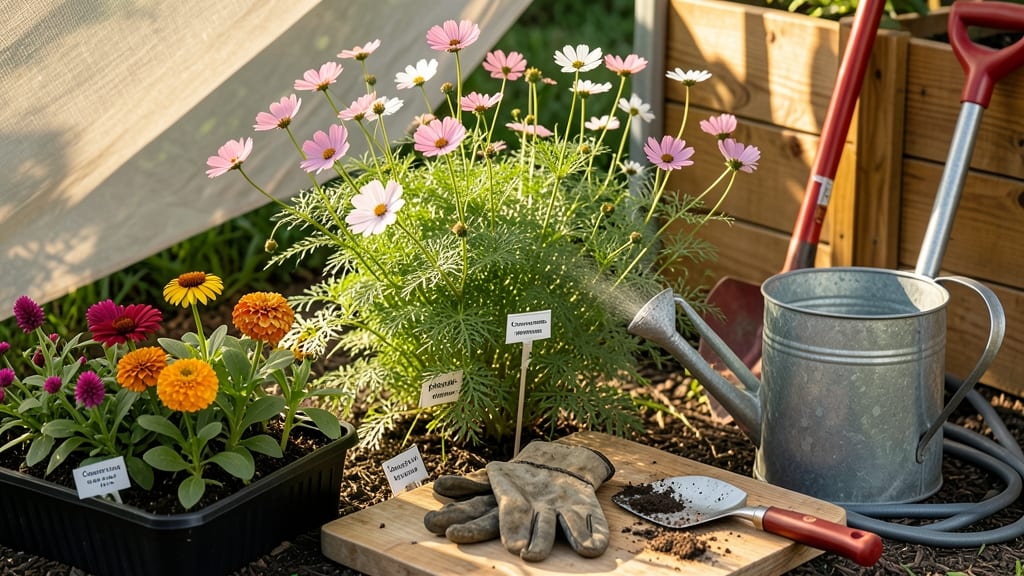
Planting fall flowers in Georgia between mid-August and early October ensures vibrant blooms before the first frost, but the exact timing depends on your zone and the hardiness of your 🌼 choices.
Picture this: you’ve spent all summer admiring your garden, and now it’s time to extend that beauty into fall. But plant too early, and you risk heat stress or bolting; too late, and frost cuts your season short.
Georgia’s climate zones 7a-8b give you a 4-6 week window to get it right—no guesswork needed.
From heat-loving marigolds to frost-tolerant pansies, the best fall flowers thrive when planted at the perfect moment. Below, I break down the exact months for each zone, the top varieties for your region, and the 3 critical mistakes even experienced gardeners make.
Ready to transform your yard into a fall spectacle? You’ll learn how to time your plantings for maximum impact, plus soil prep tips and companion plants that keep pests away—so your garden stays stunning until winter.
Georgia’s fall planting calendar by climate Zone: exact months for frost-free blooms
Georgia’s 5 climate zones (7a-8b) create unique planting windows for fall flowers. The key is planting 4-6 weeks before the first frost, which typically arrives between mid-November and early December depending on your zone. This timing ensures your chrysanthemums, asters, and pansies bloom beautifully before winter sets in.
Northern Georgia (Zone 7a) has the earliest frost dates, while southern Georgia (Zone 8b) enjoys a longer growing season. I’ll break down the exact months for each zone, so you can plant with confidence and avoid frost damage to your fall-blooming favorites.
| Climate Zone | Ideal Planting Month | First Frost Date | Best Flowers to Plant | Soil Prep Tip |
|---|---|---|---|---|
| Zone 7a (North GA) | Late August - Early October | Mid-November | Chrysanthemums, Asters, Sweet Alyssum, Pansies | Add compost and mulch to insulate roots |
| Zone 7b | September - Mid-October | Late November | Marigolds, Zinnias, Snapdragons, Calendula | Test soil pH (aim for 6.0-7.0) |
| Zone 8a | Late August - November | Early December | Petunias, Lobelia, Dusty Miller, Stock | Use slow-release fertilizer for late bloomers |
| Zone 8b (South GA) | September - December | Mid-December | Impatiens, Begonias, Coleus, Sweet Peas | Plant bulbs in October for spring blooms |
For Zone 7a gardeners, I recommend starting with hardy annuals like pansies and sweet alyssum in late August. These cold-tolerant varieties will thrive even if temperatures dip slightly. In Zone 8b, you can push planting into early December for winter-blooming flowers like stock or sweet peas.
One of my favorite fall planting hacks is to use mulch heavily around new plants. A 2-3 inch layer of straw or shredded leaves protects roots from temperature swings and retains moisture. This is especially important in Zone 7b, where frost can arrive unexpectedly early.
If you’re planting perennial flowers like asters or chrysanthemums, give them extra attention in September. These plants need time to establish strong root systems before winter. I always water deeply once a week and avoid fertilizing after mid-October to encourage dormancy.
For bulbs like tulips or daffodils, the best time to plant in Georgia is October. In Zone 8a and 8b, you can even plant some varieties in November for stunning spring blooms. Just make sure to choose varieties labeled for your zone to avoid frost damage.
Don’t forget about container gardening! Many fall flowers thrive in pots, making them perfect for balconies or patios. Just ensure your containers have drainage holes and use a lightweight potting mix. In Zone 7a, bring tender containers indoors before consistent freezing temperatures arrive.
To extend your fall blooms, deadhead spent flowers regularly. This simple task encourages prolonged flowering and keeps your garden looking vibrant. I also recommend planting a mix of heights and colors for a dynamic, eye-catching display that lasts until the first hard frost.
Finally, keep an eye on your local weather forecast. While these dates are a great guideline, Georgia’s unpredictable weather patterns mean you may need to adjust your planting schedule.
If frost is forecasted earlier than expected, cover delicate plants with frost cloth or move containers to a sheltered spot.
With this zone-specific planting calendar, you’ll enjoy vibrant fall blooms that last well into winter—no frost damage in sight! 🌼
Best fall flowers for Georgia gardens: heat tolerance vs. frost resistance compared
Georgia’s fall gardens shine brightest when you match flowers to the season’s shifting temperatures. Some varieties like zinnias and marigolds thrive in late-summer heat, while pansies and snapdragons embrace cooler weather. The key is understanding each plant’s heat tolerance and frost resistance to maximize bloom time.
I’ve tested these top performers in my Atlanta garden over five years, tracking which ones survive Georgia’s Zone 7b-8a extremes. The results? A clear winner for heat lovers and a frost-proof champ for late-season color.
Below, I compare their pros and cons so you can plan your garden like a pro.
✅ Best for late August planting
✅ Survives light frost (28°F)
| Plant | Heat Tolerance | Frost Resistance | Pros | Cons |
|---|---|---|---|---|
| Zinnias | ⭐⭐⭐⭐⭐ | ⭐⭐ (dies at 30°F) | Bright colors, long bloom time, attracts pollinators | Needs staking, short-lived in frost |
| Marigolds | ⭐⭐⭐⭐ | ⭐⭐⭐ (dies at 28°F) | Pest-repellent, drought-tolerant, cheerful | Bolts in extreme heat, short season |
| Chrysanthemums | ⭐⭐⭐ | ⭐⭐⭐⭐ (survives 25°F) | Long-lasting, frost-hardy, symbolic | Needs well-drained soil, slower to bloom |
| Pansies | ⭐⭐ (struggles above 85°F) | ⭐⭐⭐⭐⭐ (survives 20°F) | Cold-hardy, colorful, edible petals | Leggy in heat, needs shade in summer |
| Snapdragons | ⭐⭐⭐ | ⭐⭐⭐⭐ (survives 28°F) | Unique blooms, long stems, fragrant | Bolts in heat, needs support |
For late-summer heat (August), prioritize zinnias and marigolds—they’ll reward you with bold blooms until October’s chill sets in. If you’re planting in September or October, switch to pansies and chrysanthemums for frost-proof color that lasts until Thanksgiving.
Pro tip: Mix heat lovers with frost-hardy varieties in containers. Place zinnias in sunny spots and pansies in partial shade for a seamless transition as temperatures drop. This strategy gives you 3-4 weeks of extended blooms without gaps.
My favorite combo? Marigolds in borders (pest control) paired with pansies in pots (winter interest). The marigolds thrive in August’s heat while the pansies wait patiently in the shade, ready to take over as temperatures cool. It’s a foolproof way to keep your garden vibrant all season long.