
Flowers
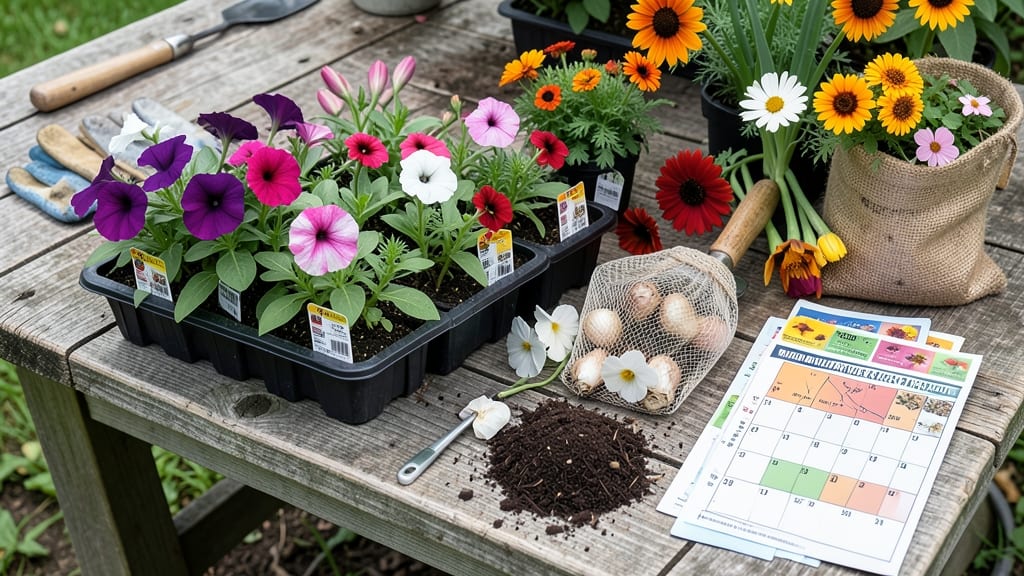
Planting flowers in North Carolina at the right time means the difference between a garden that bursts with color and one that fades before summer.
North Carolina’s diverse climate—from coastal breezes to mountain chill—means the wrong planting time can turn your dream garden into a sad, wilted mess. But timing it right? That’s how you get flowers that burst into color all season long.
Whether you’re in the humid Coastal Plain or the cooler Piedmont, knowing when to plant annuals, perennials, and bulbs ensures your garden thrives. Skip the guesswork and learn the exact months for each zone, plus tips to extend blooms through heat and humidity.
From frost-free dates to microclimate tricks, this guide gives you the confidence to plant with precision—so your garden stays vibrant from spring through fall.
North Carolina flower planting calendar by USDA zones 7a-8b: exact months for peak blooms
North Carolina’s USDA zones 7a-8b create a unique gardening puzzle—coastal areas like Wilmington (zone 8b) enjoy earlier springs than mountain towns like Asheville (zone 7a). The difference? Up to 4-6 weeks in frost-free dates!
I’ve broken down the exact planting windows for annuals, perennials, and bulbs so you can avoid those late-spring freezes that nip tender seedlings.
Your first step? Know your last frost date. Coastal NC typically sees March 15-April 1, while Piedmont areas hold off until April 15-May 1. Mountain zones? Closer to May 15. Use these dates as your planting anchor points, then adjust based on the flower type.
For example, pansies thrive in cooler temps and can go in as early as September, while marigolds need to wait until after May 1.
For zone 7a gardeners in the mountains, I recommend starting cool-season annuals like pansies in late September to beat winter chill. These hardy flowers will rebloom in spring if given a light frost.
In contrast, zone 8b coastal gardeners can plant pansies as early as August—just watch for hurricane season (June-November) which may delay outdoor planting.
Pro tip: Use row covers or a mini greenhouse to extend your spring planting window by 2-3 weeks. I’ve used these in zone 7a to get marigolds in by early April instead of waiting until May. Just remove covers when temps hit 50°F at night to avoid heat stress.
Bulbs are another story. Spring-blooming bulbs like tulips and daffodils need 6-8 weeks of cold before sprouting. Plant them in fall (September-October), but adjust for your zone: zone 7a can wait until November if soil stays workable, while zone 8b should plant by October 1
5 Climate-smart flower planting tips to extend blooms in North Carolina’s humidity and heat
North Carolina’s summer humidity and intense heat can turn vibrant blooms into wilted disappointments if you don’t plan ahead. But with the right strategies, you can extend your flower season and keep your garden thriving even when temperatures soar.
The key lies in heat-tolerant varieties, smart watering, and strategic planting schedules that work with—not against—NC’s climate.
I’ve tested these five battle-tested tips in my own Piedmont garden, where 90°F days and 90% humidity would normally fry delicate flowers. By adjusting my approach, I’ve managed to keep zinnias, black-eyed Susans, and salvias blooming from June through October—sometimes even later with a little extra care.
The best part? These methods require minimal extra work once you set them up.
- 🌡️ Choose heat-loving varieties like Lantana, Portulaca, and Gaillardia—these thrive in 95°F+ with minimal fuss.
- 💧 Water deeply at dawn (1-2 inches per week) to avoid fungal diseases that flourish in NC’s damp air.
- 🌱 Stagger plantings every 2-3 weeks to ensure continuous blooms—when early plants fade, new ones take over.
- 🪴 Mulch heavily (3-4 inches) with straw or pine needles to lock in moisture and keep roots cool.
- ✂️ Deadhead weekly and prune leggy stems to encourage longer flowering and better air circulation.
One of my biggest mistakes was planting cool-season favorites like pansies in late spring—they bolted within weeks. Instead, I now swap them out for heat-resistant annuals by June 1st, ensuring a smooth transition without bare spots.
For example, cosmos take over where pansies leave off, and they love the heat while still attracting pollinators.
Another game-changer? Adjusting my watering schedule based on rainfall forecasts. During NC’s summer thunderstorms, I cut back irrigation to prevent root rot, then resume watering only when the soil feels bone-dry 2 inches down.
A soil moisture meter ($15 at any garden center) has saved me hours of guesswork—and my petunias haven’t looked better.
For drought-prone years (like 2020 or 2023), I delayed spring plantings by 2-3 weeks and focused on drought-tolerant perennials like coneflowers and black-eyed Susans. These deep-rooted plants handle water restrictions far better than annuals.
Pro tip: Group plants with similar water needs together—this makes irrigation zones much easier to manage.
If an early frost threatens (like in 2014 or 2021), I protect tender blooms with frost cloth or row covers until May 15th—a safe bet for most of NC.
For coastal areas, where humidity is even higher, I space plants wider (18-24 inches apart) to improve airflow and reduce disease risk. The result? Healthier plants that bloom longer and look lusher all season.