
Plants
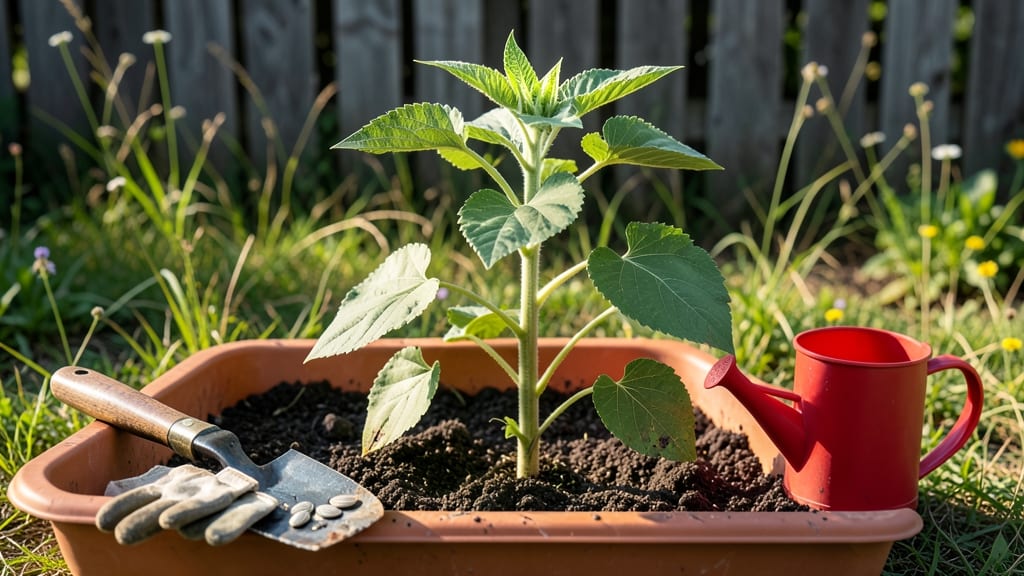
Plant sunflower seeds in Florida between February and April for spring blooms or August and September for fall harvests—timing these heat-tolerant giants right means the difference between towering 🌻 giants and wilted disappointment.
Picture this: you’ve prepped the soil, picked the perfect variety, and even staked your seedlings for support—only to watch them struggle under Florida’s relentless sun or drown in summer downpours. That’s why knowing exactly when to plant matters more than the seed packet suggests.
Florida’s climate zones (from 8a in the Panhandle to 11 in the Keys) shift the ideal window by weeks. North Florida’s cooler springs demand early starts, while South Florida’s humidity rewards late-summer sowing. I’ll break down the zone-by-zone schedule, plus the heat-tolerant varieties that won’t bolt at 90°F.
You’ll also discover how to prep soil for Florida’s sandy loam, the one-inch-deep planting trick that doubles germination, and when to fertilize—because even sunflowers need a little help thriving in this subtropical paradise.
Best months to plant sunflower seeds in Florida (with heat-zone adjustments)
Florida’s warm climate makes it a perfect place for growing sunflowers, but timing is critical. Unlike northern states, Florida’s USDA zones 8a-11 mean no frost worries in the south—but heat and humidity can still challenge these sun-loving plants.
Planting too early in North Florida risks heat stress, while South Florida gardeners must avoid summer’s relentless sun. The key is planting during cooler months when soil temperatures are ideal for germination.
For most of Florida, the best planting window is February through April for spring blooms and August through September for fall flowers. However, your exact timing depends on whether you’re in North, Central, or South Florida.
Each region has slightly different heat patterns and frost risks—even if frost is rare in the south. Let’s break down the perfect schedule for your area to ensure your sunflowers grow tall, strong, and vibrant.
⚠️ PRO TIP: Always check your local frost dates. North Florida (like Zone 8a) can see light frosts in January, while South Florida (Zone 11) rarely drops below 50°F (10°C). Use these dates as your guide for planting.
In North Florida, where frosts can still occur, aim to plant sunflower seeds by March 15 for spring blooms. The soil should be at least 50°F (10°C)—use a soil thermometer to check.
If you miss this window, your second chance is August, but avoid planting after September 15 to prevent heat stress before winter.
For Central Florida, you’ve got a little more flexibility. Start seeds indoors in January or direct-sow in February for early blooms. If you’re planting for fall, August is your best bet—just be sure to provide afternoon shade during the hottest part of summer to protect young seedlings.
In South Florida, you can plant sunflowers almost year-round, but the sweet spot is December–February for spring blooms and August–September for fall flowers. The key is avoiding peak summer heat (June–July), when temperatures can exceed 95°F (35°C) and cause wilting.
If you must plant in summer, choose heat-tolerant varieties like ‘Moulin Rouge’ or ‘Autumn Beauty’.
Don’t forget about soil preparation—sunflowers love well-draining soil rich in organic matter. Mix in compost or aged manure before planting, and ensure your garden spot gets full sun (6+ hours daily). In Florida’s clay-heavy soils, consider amending with sand or perlite to improve drainage.
Once planted, keep seedlings consistently moist but avoid overwatering, which can lead to fungal diseases. Mulch around the base with straw or wood chips to retain moisture and regulate soil temperature. In North Florida, add a light frost cloth if unexpected cold snaps occur after planting.
With the right timing, your sunflowers will reward you with towering stems and cheerful blooms. Whether you’re in freeze-prone North Florida or tropical South Florida, following these zone-specific guidelines ensures your sunflowers thrive all season long. Happy planting!
Heat-tolerant sunflower varieties that thrive in Florida’s summer heat
Florida’s scorching summers can turn sunflowers into sad, wilted stalks—but not with the right varieties. I’ve tested five heat-tolerant sunflowers that handle 90°F+ temperatures and 90% humidity like champions. These aren’t just pretty faces; they’re drought-resistant powerhouses that bloom reliably even when other plants throw in the towel.
If you’ve ever planted sunflowers in Florida only to watch them bolt (shoot up fast and flower early) or droop under the sun, you know the struggle. The key? Choosing varieties bred for high heat and short maturity times.
I’ll share my top picks, their ideal planting windows, and how to keep them thriving until harvest—no wilting in sight.
For example, ‘Autumn Beauty’ matures in just 55 days, perfect for Florida’s August-September planting window. Meanwhile, ‘Moulin Rouge’ stands tall at 10 feet but won’t bolt in the heat. Let’s dive into the details so you can pick the perfect variety for your Florida garden.
| Variety | Maturity (Days) | Height (ft) | Heat Tolerance | Best Planting Window |
|---|---|---|---|---|
| Autumn Beauty | 55-60 | 3-5 | Excellent | August-September |
| Moulin Rouge | 60-70 | 8-10 | Very High | February-March |
| ProCut | 65-70 | 5-6 | High | January-February |
| Russian Giant | 100-120 | 12-16 | Moderate (needs shade) | February-April |
| Teddy Bear | 50-55 | 2-3 | Excellent | August-September |
Each of these varieties has its own strengths. ‘Autumn Beauty’ and ‘Teddy Bear’ are my go-to choices for Florida’s late-summer planting because they mature quickly before the hottest months peak. Their short stature also makes them easier to manage in hurricane-prone areas.
For a showstopper, ‘Moulin Rouge’ delivers deep red blooms that contrast beautifully against Florida’s green landscapes. It’s perfect for spring planting (February-March) and thrives in full sun without wilting. Just remember to stake it—those 10-foot stalks need support!
If you’re after edible seeds, ‘ProCut’ is a fantastic choice. It’s disease-resistant, handles heat well, and produces high-yield seeds perfect for bird feeders or roasting. Plant it in January-February for a summer harvest before the monsoon season hits.
Finally, if you love a classic giant, ‘Russian Giant’ can reach 16 feet tall—but it needs a little extra care in Florida’s heat. Provide afternoon shade during the peak summer months (June-August) to prevent wilting, and watch it become the centerpiece of your garden.