
Companion Plants
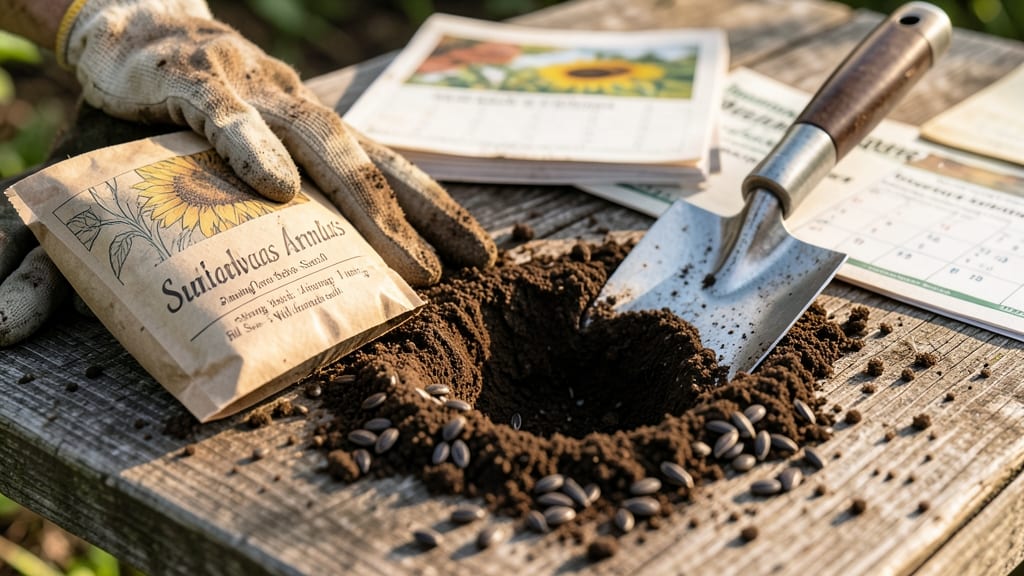
Planting sunflower seeds in Indiana between mid-April and early June ensures your 🌻 will reach their towering potential before summer heat peaks.
Here’s the catch: Indiana’s USDA Zone 6a climate means frost lingers until April 15, and late plantings risk stunted growth if summer arrives before the seeds sprout. Too early, and frost will nip tender seedlings; too late, and your sunflowers might bolt before reaching their full height.
This guide breaks down the exact window for your region, soil temperature tricks to jumpstart germination, and how to extend your blooming season with staggered plantings. No more guessing—just sunflowers that thrive from seed to harvest.
You’ll learn how to prep your soil, space seeds for maximum growth, and protect young plants from Indiana’s unpredictable spring weather. Ready to grow sunflowers that outshine the rest?
Indiana sunflower planting calendar: exact months for maximum growth
Indiana’s USDA Zone 6a climate creates distinct planting zones—northern regions like Gary and South Bend experience frost until April 25, while southern areas like Evansville and Louisville can plant as early as mid-March.
This difference means your sunflower seeds need soil temperatures above 50°F and frost-free nights to thrive. Let’s break down the exact windows for each region.
For northern Indiana, aim for late April to early May when soil warms to 55-60°F. Southern Indiana gardeners can start 2-3 weeks earlier (early April) thanks to milder winters.
The key? Planting after your last average frost date—not before—ensures your sunflowers won’t get nipped by late cold snaps.
Here’s the catch: Sunflowers are annuals in Indiana, meaning they complete their life cycle in one season. Direct sowing is easier and more reliable than transplanting, but if you start indoors, do so 4-6 weeks before your last frost for hardy seedlings.
Transplants struggle to adapt to Indiana’s clay-heavy soils and variable weather.
Ready to dive deeper? The table below compares northern vs. southern Indiana planting windows, soil prep tips, and how to extend your blooming season with succession planting. Grab your gardening gloves—it’s time to grow sunflowers that reach their full 10-14 foot potential!
Now that you’ve got your planting windows locked in, let’s talk soil prep. Indiana’s clay-heavy soils drain poorly, which can drown sunflower roots. Amend your soil with compost or aged manure to improve drainage and add nutrients.
Aim for a pH of 6.0–7.0, which sunflowers thrive in. A simple soil test kit (available at garden centers) will tell you if your soil needs adjustments.
Pro tip: Sunflowers are heavy feeders, so side-dress with 10-10-10 fertilizer when plants reach 12 inches tall. This boosts their stem strength and flower size. Water deeply once a week (more in droughts) to encourage deep root growth.
Avoid overhead watering—it can spread powdery mildew, a common sunflower foe in Indiana’s humid summers.
For gardeners in northern Indiana, late May plantings can still yield 6-foot sunflowers if you choose fast-maturing varieties like ‘Teddy Bear’ (50 days to bloom). Southern Indiana gardeners can push the envelope with July plantings for late-summer blooms, though these may not reach full height.
The tradeoff? Fewer pests and longer daylight hours for robust growth.
Don’t forget: Sunflowers love full sun—at least 6–8 hours daily. If your garden is shady, opt for dwarf varieties like ‘Moulin
5 Critical factors that determine sunflower planting success in Indiana
Indiana’s clay-heavy soils and humidity fluctuations can make or break your sunflower garden if you don’t prep properly. Sunflowers thrive when planted in well-amended soil with a pH between 6.0 and 7.0, but Indiana’s native soil often needs compost or aged manure to improve drainage.
Without this step, your seeds might rot or struggle to establish roots.
The sunlight requirement is non-negotiable—sunflowers demand 6-8+ hours of direct sun daily. In Indiana, this means choosing a south-facing plot or the sunniest corner of your yard.
Even partial shade can stunt growth, leading to leggy stems and fewer blooms. Test your spot with a sunlight tracker for a week before planting.
Watering schedules often trip up gardeners, but sunflowers are surprisingly drought-tolerant once established. The key is deep, infrequent watering—aim for 1-2 inches per week, delivered early in the morning.
Shallow watering encourages weak roots, while overwatering in Indiana’s humid summers invites powdery mildew. Mulch around the base to retain moisture and suppress weeds.
🌱 Indiana Sunflower Success Checklist
- 1. Soil Prep: Test pH (6.0-7.0) and amend with compost to break up clay. Aim for well-draining soil to prevent rot.
- 2. Sunlight: Plant in full sun (6-8+ hours). Use a south-facing plot for maximum exposure in Indiana’s climate.
- 3. Watering: Water deeply 2-3x/week (1-2 inches). Avoid wetting leaves to prevent mildew in humid summers.
- 4. Companion Plants: Pair with basil, marigolds, or borage to deter pests and improve growth. Avoid planting near potatoes.
- 5. Spacing: Leave 12-24 inches between seeds (dwarf varieties) or 24-36 inches for standard types to prevent overcrowding.
Don’t overlook companion planting—it’s a game-changer for Indiana gardens. Pair sunflowers with basil or marigolds to repel pests like aphids and spider mites, which thrive in the state’s humidity.
Avoid planting near potatoes, as they compete for nutrients. For maximum impact, interplant with fast-growing radishes to mark rows and improve soil structure.
Indiana’s late spring frosts (even after April 15) can still threaten young sunflowers. Use row covers or cloches for the first 2-3 weeks post-planting to protect seedlings.
Once true leaves appear, harden them off gradually to build resilience. This extra care ensures your sunflowers bolt properly and reach their full height by summer.
Finally, stagger your plantings every 2 weeks from mid-April to early June for continuous blooms. This strategy extends your harvest window and ensures you always have fresh cut flowers or seeds.
In Indiana’s short growing season, this is the secret to year-round sunflower enjoyment, from summer bouquets to winter bird feeders.