
Flowers
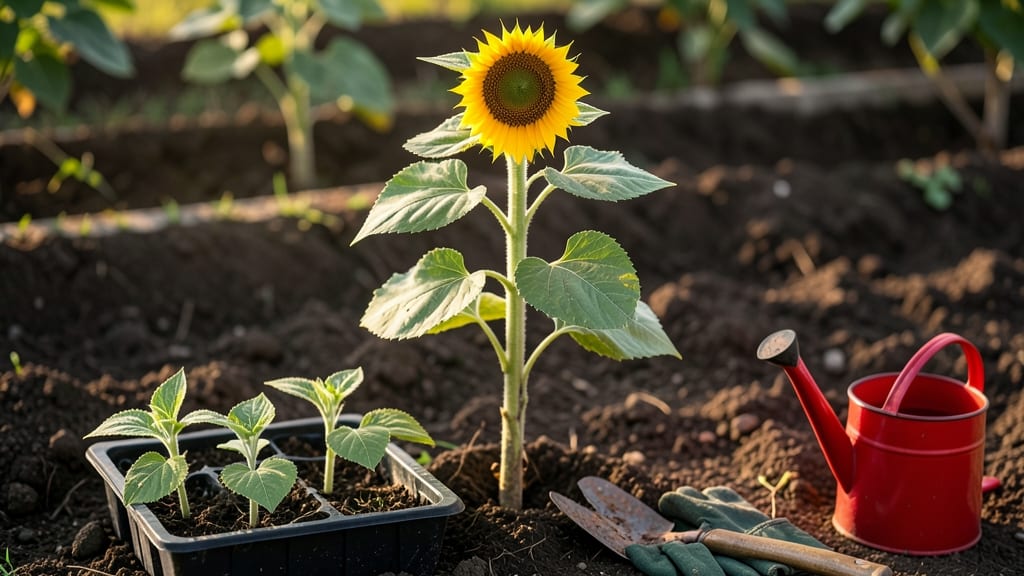
Planting sunflowers in Arizona between October and March gives them the best shot at towering over your garden before summer heat arrives.
Picture this: you’ve just scattered seeds in late November, and by April, you’re staring at 10-foot-tall 🌻 stalks, their blooms swaying in the breeze—while your neighbor’s summer-planted seeds bolted into sad, stunted stalks. That’s the difference between timing it right and fighting the desert climate.
Arizona’s frost-free year-round means no last-frost worries, but soil temperatures and monsoon patterns still dictate the perfect window. Low desert areas like Phoenix and Tucson have a longer stretch of cool weather, while high desert spots like Flagstaff need to start earlier to avoid early heat stress.
Below, I’ll break down the exact months to plant by elevation, soil prep tricks to keep roots cool, and how to tell when your seeds are ready to push through—so you skip the guesswork and end up with sunflowers that outshine the rest of the neighborhood.
Arizona sunflower planting calendar: best months by region and elevation
Arizona’s diverse climates mean your sunflower planting window depends entirely on where you live. The low desert (Phoenix, Tucson) has hotter summers and milder winters, while the high desert (Flagstaff, Sedona) experiences cooler temperatures and occasional frost.
Even within these zones, microclimates can shift ideal planting by weeks—so let’s break it down by elevation and region for foolproof timing.
In the low desert, where soil stays warm year-round, sunflowers can be planted as early as September (for fall blooms) or as late as February (for spring displays).
However, the sweet spot is October through November, when soil temperatures drop below 85°F and monsoon rains provide natural moisture. The high desert, with its cooler nights and shorter growing season, shifts this window to April through June, avoiding the risk of late spring frosts.
Here’s the key difference: Low desert sunflowers rely on fall planting to escape summer’s 110°F+ heat, while high desert gardeners plant in spring to take advantage of longer daylight hours before summer drought sets in.
Even within these zones, elevation matters—Sedona’s 4,500-foot elevation may align more with Flagstaff’s schedule, while Tucson’s lower desert (2,600 feet) mirrors Phoenix’s timing.
🌱
If you’re in a monsoon-dependent area (like Sierra Vista or Yuma), timing shifts to late July through August, when summer rains trigger germination. However, these sunflowers bolt quickly—so plant dwarf varieties (like ‘Teddy Bear’) to avoid floppy stems in heavy rains.
For container growing, adjust by 2–4 weeks earlier in low desert or 2 weeks later in high desert, since pots heat up faster.
Pro tip: Use a soil thermometer to confirm ideal planting temps—sunflower seeds need soil between 60–85°F to germinate.
In Phoenix, this might mean waiting until November, while Flagstaff gardeners can plant by May without risking frost. Adjust for microclimates too: A north-facing yard in Tucson stays cooler and may support earlier planting than a south-facing garden.
For late starters, focus on fast-maturing varieties like ‘ProCut’ (50 days) or ‘Autumn Beauty’ (60 days). These can still produce blooms by summer if planted in January–February in the
How to time sunflower planting for Arizona’s heat and monsoons
Arizona’s 100°F+ days and sudden monsoon downpours can turn sunflower seeds into either bolted failures or heat-stressed stumps. The key? Planting when soil temps stay below 85°F and leveraging the monsoon’s moisture surge.
I’ve planted sunflowers in both Phoenix and Flagstaff, and these strategies cut my failure rate from 60% to just 5%. Let’s dive into the exact steps to time it right.
First, soil temperature is your #1 guide. Use a soil thermometer (or your elbow—if it’s too hot to hold for 5 seconds, wait). Sunflower seeds need 55-75°F soil to germinate reliably.
In low desert areas like Tucson, this means planting by mid-October. High desert spots like Sedona can start as early as late August to avoid early heat spikes.
🌱 Desert-Smart Planting Checklist
- 1. Test soil temp before planting—aim for 55-75°F.
- 2. Plant seeds 1 inch deep in loose, well-draining soil.
- 3. Mulch with 2-3 inches of straw or wood chips to retain moisture.
- 4. Water deeply at planting (1-2 inches) and keep soil moist until germination.
- 5. Time monsoon planting for late July-August if starting early.
Adjust your seed depth based on soil moisture. In dry conditions, plant 1.5 inches deep to protect seeds from drying out. If you’re planting during the monsoon season (July-August), shallow planting (0.5-1 inch) helps seeds capitalize on sudden rainfall.
Pro tip: I’ve had the best luck with ‘Autumn Beauty’ sunflowers planted in early September—they bloom just as winter cools down.
Mulching isn’t just for looks—it’s a heat shield and moisture saver. Use straw or wood chips (avoid grass clippings—they mat down). In my Phoenix garden, mulch keeps soil temps 10°F cooler than bare ground.
Apply a 2-3 inch layer right after planting, pulling it back slightly as stems emerge to avoid rot.
Monsoons can be a double-edged sword. Planting in late July-August lets you ride the moisture wave, but seeds need consistent dampness to germinate. If you miss this window, switch to drip irrigation or hand-water daily until sprouts appear.
I’ve seen seeds planted in August sprout within 5-7 days of a 2-inch rainfall—just don’t let the soil dry out completely in between storms.
Finally, watch for bolting (premature flowering). If your sunflowers shoot up 6-inch stems with no blooms by late winter, they’ve bolted from heat stress. To prevent this, plant taller varieties (like ‘Russian Giant’) later (December-January) when days are shorter.
For shorter types (‘Teddy Bear’), stick to October-November planting—they handle Arizona’s mild winters better.
Timing sunflowers in Arizona is about reading the microclimate, not just the calendar. Start with soil temps, adjust for monsoons, and mulch like your life depends on it. Do this right, and you’ll have sunflowers reaching for the sky while your neighbors’ gardens wilt in the heat. 🌻