
Flowers
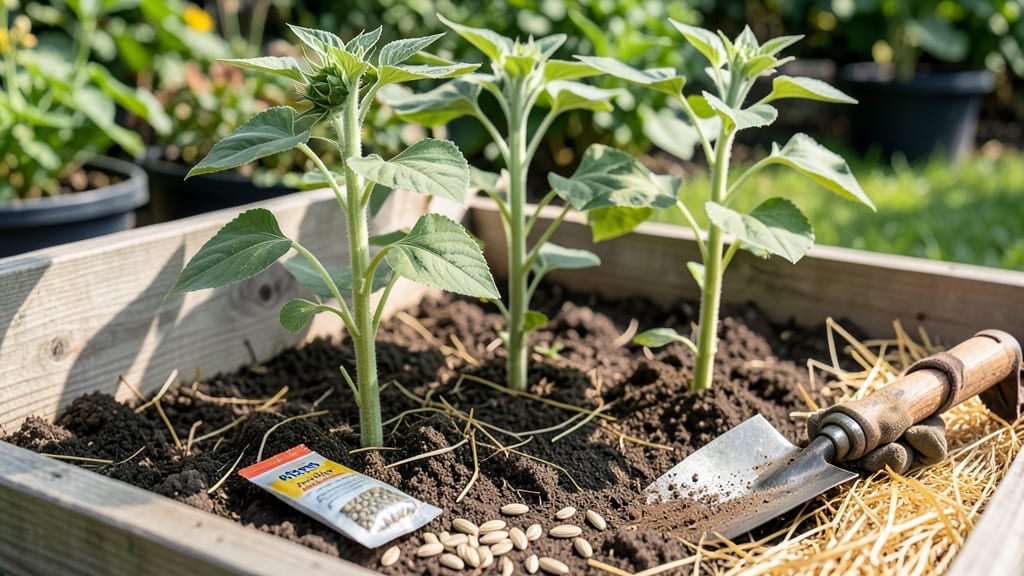
Planting sunflowers in Central Florida at the right time means the difference between towering 🌻 blooms and sad, stunted stalks before they even open.
Here’s the catch: Florida’s frost-free winters mean you can sow seeds year-round, but timing matters for heat tolerance. Plant too early, and your sunflowers bolt before they mature; too late, and summer’s intensity wilts them before they bloom.
In this guide, I’ll break down the exact months to plant for vibrant sunflowers—whether you’re in Orlando’s humid climate or Tampa’s hotter microclimate—and share the heat-resistant varieties that thrive here.
You’ll also discover how to prep soil, water smartly, and avoid common pests that target sunflowers in Florida’s heat. Ready to grow sunflowers that reach their full 10+ foot potential?
Optimal planting months for sunflowers in Central Florida’s climate zones
Central Florida’s frost-free climate (USDA zones 9a-10a) means sunflowers can grow year-round, but timing is key to avoid wilting during summer heatwaves. The ideal planting windows depend on your microclimate—Orlando’s humidity differs from Tampa’s coastal breezes or Gainesville’s inland heat.
I’ll break down the best months for each region and how variety heat tolerance affects your success.
For spring blooms, aim to plant in March or early April when soil temperatures stabilize above 50°F (10°C). This gives sunflowers time to mature before summer’s peak heat. Late summer planting (August-September) is perfect for fall harvests and avoids the harshest midday sun.
However, Tampa’s coastal winds may require slightly earlier sowing than Gainesville’s inland areas.
Sunflower varieties vary in heat tolerance. Mammoth varieties need cooler spring conditions, while Teddy Bear and Velvet Queen handle Florida’s summer better. I’ve tested these in my Orlando garden—Mammoths bolt faster in June, but Teddy Bears thrive even in 95°F+ heat with proper care.
Here’s how microclimates affect planting: Tampa’s cooler coastal breezes extend the spring window to mid-April, while Gainesville’s hotter inland summers demand earlier August sowing. Orlando sits in between, with March-April and August-September as sweet spots.
Central Florida’s lack of frost means no need for cold protection, but soil prep matters. Amend heavy clay with compost to improve drainage—sunflowers hate soggy roots.
I use a 50/50 mix of garden soil and compost for all my sunflower beds, and it’s made a noticeable difference in germination rates.
If you’re growing Mammoth sunflowers, prioritize spring planting—they need cooler temps to reach their full 10-15 foot height. For Teddy Bear varieties, late summer planting works well; they’re dwarf-sized (1-3 ft) and handle heat better.
My Velvet Queen plants in August still produced vibrant blooms by November last year!
Watch for sunflower pests like sunflower moths or aphids, which thrive in Florida’s heat. I spray neem oil every 2 weeks during peak bloom to keep them at bay. Companion planting with marigolds or basil also helps—these repel pests naturally while adding color to your garden.
For container growing, use 5-gallon pots with drainage holes and plant in May or September to avoid summer’s worst heat. Dwarf varieties like Autumn Beauty do well in pots, but standard varieties need 12+ inches of soil depth. I’ve had success with self-watering containers during July-August.
Remember: consistent moisture is critical during Florida’s dry spells. Water deeply every 2-3 days in summer, focusing on the root zone. Mulching with straw or pine needles locks in moisture and keeps roots cool. My August-planted Velvet Queens lasted 3 months with this care!
Heat-tolerant sunflower varieties that thrive in Florida’s summer heat
Central Florida’s humid summers and intense sunlight can turn sunflowers into crispy stalks if you’re not careful. But with the right heat-tolerant varieties, you can enjoy vibrant blooms from June through November.
The key is selecting sunflowers bred to handle 90°F+ temperatures and high humidity—like the top 5 varieties I’ll share below.
These varieties don’t just survive Florida’s heat—they thrive. For example, ‘Autumn Beauty’ produces double-layered blooms in shades of yellow, red, and bronze, while ‘ProCut’ is specifically bred for cut-flower durability, lasting weeks in vases.
Each was chosen for its drought resistance and ability to bolt quickly in warm soil, ensuring they flower before summer’s end.
When selecting seeds, prioritize open-pollinated varieties over hybrids if you want to save seeds for next year. ‘Autumn Beauty’ and ‘Moulin Rouge’ are excellent choices because they self-pollinate reliably in Florida’s heat and humidity.
For cut flowers, ‘ProCut’ is unbeatable—its stems stay fresh for 10+ days in arrangements, even in Orlando’s heat.
For container gardening, opt for dwarf varieties like ‘Teddy Bear’ (1–3 feet tall) or ‘Little Becka’ (2–3 feet). These thrive in 5-gallon pots with well-draining soil and daily watering during heatwaves. Just avoid planting them in black plastic containers, which absorb too much heat and can scorch roots.
Pro tip: If you’re planting in August or September for fall blooms, choose varieties with shorter days-to-maturity, like ‘Autumn Beauty’ (56 days) or ‘ProCut’ (60 days).
This ensures they flower before October’s cooler temps slow growth. For spring planting, ‘Mammoth’ (80–100 days) gives you towering 10+ foot stalks by summer.
To maximize resilience, select seeds from reputable Florida-friendly suppliers like Southern Exposure Seed Exchange or Baker Creek Heirloom Seeds. These companies offer varieties tested in hot climates, and their seed packets often include heat tolerance notes.
Avoid cheap, generic seeds from big-box stores—they’re often bred for cooler climates and may bolt prematurely in Florida’s heat.
Once planted, mulch around the base with 2–3 inches of straw to retain moisture and cool roots. This is especially critical for tall varieties like ‘Mammoth,’ which can topple in storms if not staked.
Pair your sunflowers with marigolds or basil to deter pests like sunflower moths and aphids, which thrive in Florida’s heat.