
Flowers
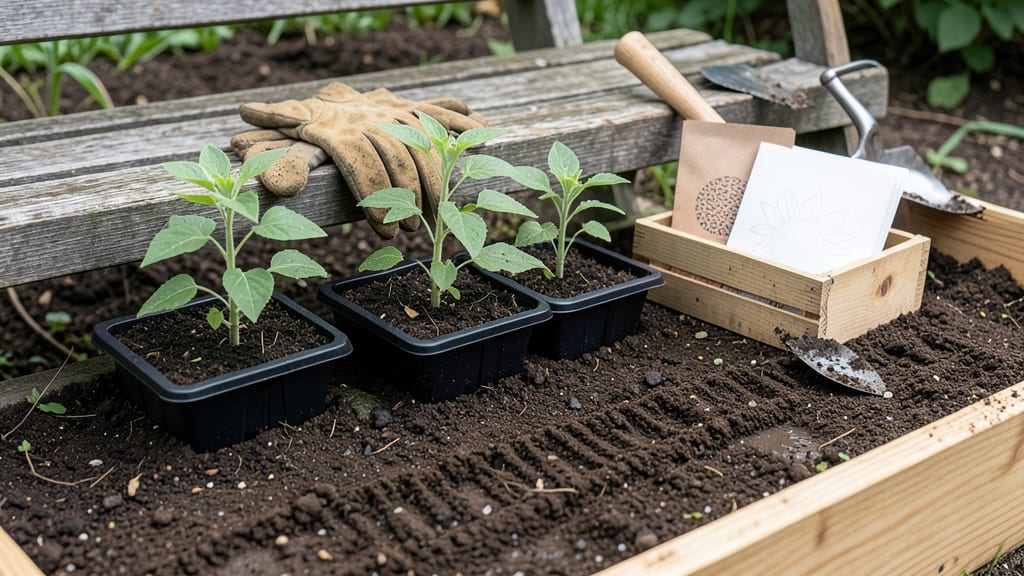
To plant sunflowers in North Carolina, aim for mid-April to early July for spring blooms or late summer to early September for fall displays—timing directly impacts your 🌻's success.
You’ve probably seen those towering sunflowers in summer weddings and thought, "I want that!"—but planting them too early risks frost damage, while waiting too long cuts the bloom season short. North Carolina’s USDA Zones 7a-8b offer a narrow window where soil warmth and daylight align just right.
The key is soil temperature: seeds need at least 50°F to germinate, and coastal areas like Wilmington can plant weeks earlier than the Piedmont. Whether you’re growing dwarf varieties for containers or giants for cut flowers, the right timing ensures your sunflowers reach their full potential.
Below, I break down the exact frost dates by region, soil prep tips, and how to stagger plantings for continuous color—so you’re not left with a garden full of sticks by August.
North Carolina sunflower planting timeline by USDA Zone 7a-8b
Timing your sunflower planting in North Carolina depends on your USDA zone (7a-8b) and whether you're growing early or late varieties. In Zone 7a, where last frosts average March 15, you have a slightly shorter window than Zone 8b, which can plant until early April without frost risk.
The key is waiting until soil temperatures reach 50°F—cold soil slows germination and invites rot.
For spring planting, aim for mid-April to early June to ensure blooms before summer's peak heat. In Zone 8b, you can push planting to late May for fall blooms. Fall planting works too—sow seeds late August to early September for late-season color before first frosts in November.
This staggered approach gives you continuous blooms from summer through fall.
| Planting Window | USDA Zone 7a | USDA Zone 8b | Soil Temp | Notes |
|---|---|---|---|---|
| Spring Planting | Mid-April to early June | Late March to late June | 50°F+ | Early varieties (e.g., 'Teddy Bear') thrive here |
| Fall Planting | Late August to early September | Late August to mid-September | 50°F+ | Late varieties (e.g., 'Moulin Rouge') work best |
| Last Frost Risk | March 15 (avg) | March 1 (avg) | N/A | Use row covers for early plantings |
| First Frost Risk | November 15 (avg) | November 1 (avg) | N/A | Choose fast-maturing varieties for fall |
In Zone 7a, where nights can still dip below 40°F in May, opt for early-maturing varieties like 'Autumn Beauty' (50-55 days) or 'Moulin Rouge' (55-60 days). These handle cooler soils better than giant varieties like 'Russian Giant' (120+ days), which need warmer conditions.
For Zone 8b, you can experiment with taller varieties since the longer growing season accommodates their slower start.
Soil preparation is critical—sunflowers hate soggy roots. Work in compost to improve drainage, especially in clay-heavy soils common in the Piedmont region. A pH of 6.0-7.0 is ideal, and adding a balanced 10-10-10 fertilizer at planting gives them a growth boost.
In sandy coastal areas (Zone 8b), amend soil with organic matter to retain moisture during summer droughts.
If you're growing dwarf varieties (like 'Teddy Bear'), you can plant them as early as late March in Zone 8b under row covers to protect from late frosts. These compact plants (2-4 feet tall) are perfect for containers and urban gardens.
For standard varieties, wait until mid-April to avoid stunted growth from cool soils. Remember: sunflowers grow 3-4 inches per day once established—so timing ensures they reach their full potential before summer's heat peaks.
For continuous blooms, stagger plantings every 2-3 weeks from April through July. This creates a sequential display from summer through fall. In Zone 7a, your last planting should be by early July to allow 60-90 days for maturity before first frosts.
In Zone 8b, you can push this to mid-July for late-season color.
Watch for soil temperature cues—use a soil thermometer to confirm 50°F+ before planting. In cooler microclimates (like mountain regions in Zone 7a), wait until late April even if frost risk has passed.
Sunflowers are heat-tolerant once established, but they won't thrive if planted in overly hot soil (above 90°F) without proper watering.
Pro tip: Plant companion flowers like marigolds or cosmos nearby to deter pests and attract pollinators. These sun-loving partners thrive in the same conditions and extend your garden's seasonal interest.
In Zone 8b, you might even get a second flush of blooms if you plant succession varieties in early September for a late-fall show.
Remember, North Carolina's humidity can stress sunflowers if not managed properly. Mulch around plants to retain moisture and prevent fungal diseases like powdery mildew, which thrives in the state's sticky summer air. A 3-inch layer of straw mulch keeps roots cool and reduces watering needs by 30%.
With the right timing and care, your sunflowers will reward you with bold, cheerful blooms that brighten up every season.
How to extend sunflower blooms: staggered planting and succession tips
North Carolina's summer heat and short growing season can make sunflowers bloom and fade quickly—but with the right strategy, you can enjoy vibrant blooms from June through October. The secret? Staggered planting and succession techniques that keep your garden in full bloom all season long.
This approach ensures you're never left with a patch of brown stems when the first flowers start wilting.
Sunflowers thrive in USDA Zones 7a-8b, but their bloom duration depends heavily on when you plant. By spacing out your plantings every 2-3 weeks, you create a continuous display that lasts well into fall.
For example, planting a batch in May will give you early summer blooms, while a late-July planting ensures flowers in early fall before frost arrives.
🌱 Numbered Highlights: Staggered Sunflower Planting Schedule for NC
- First Planting: Mid-April to early May (after last frost, soil at 50°F+) for early summer blooms (June-July)
- Second Planting: Late May to early June for peak summer displays (July-August)
- Third Planting: Late June to early July for late summer/early fall blooms (September-October)
- Fourth Planting (optional): Late July to early August for fall color (if frost arrives late)
- Variety Tip: Use dwarf varieties (e.g., 'Teddy Bear') for later plantings to avoid late-season storms
- Soil Prep: Amend with compost before each planting for nutrient-rich soil
- Spacing: 6-12 inches apart in rows 2-3 feet apart for airflow and sunlight
For North Carolina's climate, choose drought-resistant varieties like 'Autumn Beauty' or 'Moulin Rouge' to handle summer heat and occasional drought. These varieties also have longer vase life, making them perfect for cutting gardens.
Pair them with companion plants like basil or marigolds to repel pests and extend bloom time naturally.
Watering plays a crucial role in bloom longevity. Deep watering once weekly (or bi-weekly in established plants) encourages strong root systems that support taller stems and larger blooms. Avoid overhead watering in the evening to prevent fungal diseases like powdery mildew, which can shorten bloom time dramatically.
Another pro tip: Deadhead spent blooms regularly to redirect the plant's energy into new flower production. This simple task can extend your sunflower display by 2-4 weeks and keeps your garden looking fresh.
For cut flowers, harvest in the early morning when blooms are fully open but still firm—this ensures they last 7-10 days in a vase.
With these succession planting tips, your sunflower garden will stay in full bloom from June through October, giving you a continuous show of golden cheer. Plus, you'll have seeds ready for next year's garden! 🌻