
Flowers
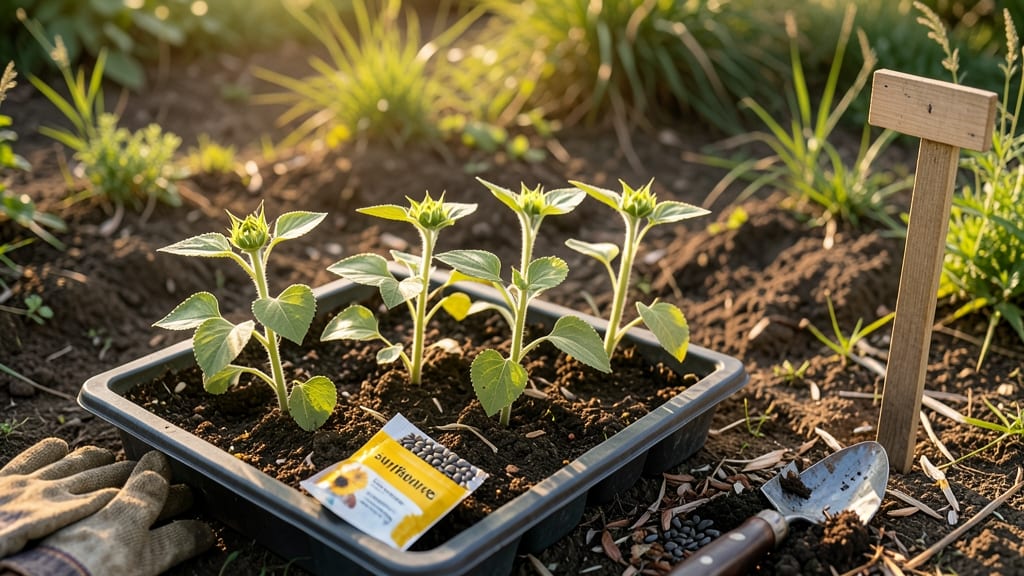
To plant sunflowers in Tennessee at the perfect time means starting seeds after your last frost—typically by April 15 in most zones, or earlier in warmer microclimates.
Picture this: you’ve waited all winter for your garden to wake up, only to rush out and plant your sunflower seeds too soon—then watch frost turn them into sad, wilted memories. Or worse, you wait until summer and end up with sunflowers that bolt before they even think about blooming.
Timing is everything, and Tennessee’s zones 6a-7b give you a narrow window to get it right.
Sunflowers 🌻 crave warmth and long daylight hours, which is why the spring planting window (April through early June) is your best bet.
But here’s the kicker: if you’re in Zone 6a (like parts of East Tennessee), you might need to start seeds indoors in late March to beat the clock. Meanwhile, gardeners in Zone 7b (like Nashville) can afford to wait until mid-April without missing a beat.
In this guide, I’ll break down the exact planting months for each Tennessee zone, share pro tips for soil prep and spacing, and even tell you which sunflower varieties will give you the tallest, showiest blooms—no matter where you live in the state.
Tennessee USDA Zone planting calendar: best months by Zone for sunflower success
Tennessee’s USDA zones 6-8 create a perfect playground for sunflowers, but timing is everything. In Zone 6 (northwest TN), cooler springs mean you’ll need to wait until after the last frost—usually mid-April—while Zone 8 (Memphis area) can start as early as late February.
The key? Soil temperatures must stay above 55°F for consistent germination.
Sunflowers are warm-season plants, so they despise cold snaps. In Zone 7a (Nashville), aim for April 15-May 1 for direct sowing, while Zone 7b (Chattanooga) can extend planting until early June. Transplants, if used, should go in 2-3 weeks after your last frost date to avoid stunted growth.
Here’s your zone-specific planting calendar, including frost dates, soil temp thresholds, and microclimate adjustments:
For direct sowing, drop seeds 1 inch deep and 6 inches apart in rows spaced 18-24 inches apart. If using transplants, harden them off for 5-7 days before moving outdoors. In Zone 8, you can even squeeze in a fall planting by mid-August for late-season blooms.
Microclimates matter! If your garden sits in a low-lying area, wait 1-2 weeks longer after the average frost date—cold air pools there. Conversely, south-facing slopes warm up faster, letting you plant 2 weeks earlier. Use a soil thermometer to confirm temps before sowing.
Pro tip: Pre-soak seeds overnight for faster germination, especially in Zone 6 where cooler soils slow sprouting. Add a mulch layer after planting to retain moisture and regulate soil temperature—critical for Tennessee’s humid summers and unpredictable springs.
Missed the spring window? Don’t despair! In Zones 7b-8a, you can still plant dwarf varieties like ‘Teddy Bear’ or ‘Moulin Rouge’ until early July for fall color. Just expect shorter stems and smaller blooms compared to spring plantings.
Track your local frost dates using the Old Farmer’s Almanac or your local Cooperative Extension office. Adjust your planting schedule by 1-2 weeks if your area had an early or late frost year—sunflowers are forgiving, but timing keeps them tall and thriving, not leggy and weak.
3 Critical factors that determine sunflower planting time in Tennessee (beyond the calendar)
Timing your sunflower planting isn’t just about checking a calendar—it’s about reading your Tennessee garden’s hidden signals. While most guides say "plant in spring," the devil’s in the details: soil warmth, daylight length, and variety maturity can shift your perfect window by weeks.
Ignore these factors, and you might end up with leggy seedlings or sunflowers that bolt before summer’s peak. Let’s dig into what truly matters for your Tennessee sunflowers to thrive.
First, forget the myth that "warmer soil = instant success." Sunflowers need soil temperatures above 55°F (13°C) to germinate reliably. In Zone 6a (eastern Tennessee), this often means waiting until mid-April, while Zone 7b (Memphis area) can start as early as late March.
Use a soil thermometer to confirm—bury it 2 inches deep and check in the morning. Cold soil slows germination, leaving seeds vulnerable to rot, and that’s a wasted seed packet.
Here’s the game-changer: Tennessee’s daylight hours jump from 11 hours in March to 14+ by June. Sunflowers need 12+ hours of daylight to trigger bolting (the rapid stem elongation that leads to blooms).
Plant too early in Zone 6, and your seedlings might stretch toward the sky but never flower. Wait until after the spring equinox (around March 20) to ensure your sunflowers get enough light to bolt properly.
- 1 Plant when soil temps hit 55°F+ (13°C+)—use a thermometer to avoid rot-prone seeds. In Zone 6, this is mid-April; in Zone 7, late March.
- 2 Wait until 12+ daylight hours (after spring equinox) to prevent leggy, non-bolting seedlings. Zone 6 gardeners: aim for April 15; Zone 7 can start March 20.
- 3 Choose fast-maturing varieties (50–60 days) for Zone 6 to avoid early frost. Zone 7-8? Opt for tall varieties (90+ days) to maximize summer blooms.
Your sunflower variety choice is the third puzzle piece. In Zone 6, where summers are shorter, dwarf varieties like 'Teddy Bear' (50–60 days to maturity) are your best bet—they bolt quickly and avoid fall frost.
Meanwhile, Zone 7-8 gardeners can grow giants like 'Mammoth' (120+ days), which need the extra time to reach their 12-foot heights. Pro tip: Check your variety’s days to maturity and subtract it from your first frost date (Zone 6: ~October 15; Zone 7: ~November 1).
If the numbers don’t align, switch varieties.
Now, let’s troubleshoot the two biggest timing mistakes. If your seedlings look tall and spindly with tiny leaves, you planted too early—not enough daylight forces them to stretch. Fix it by thinning seedlings and moving pots to a sunnier spot (or under grow lights).
For bolting too early (stem shoots up but no flowers), you’ve got overcrowded plants or nutrient stress. Space them 18–24 inches apart and add compost to boost growth.
Ready to nail your timing? Grab a soil thermometer, mark your spring equinox on the calendar, and pick a variety that matches your zone’s growing season.
With these three factors locked in, your sunflowers will bolt on schedule, bloom like crazy, and leave your neighbors green with envy. Happy planting!