
Companion Plants
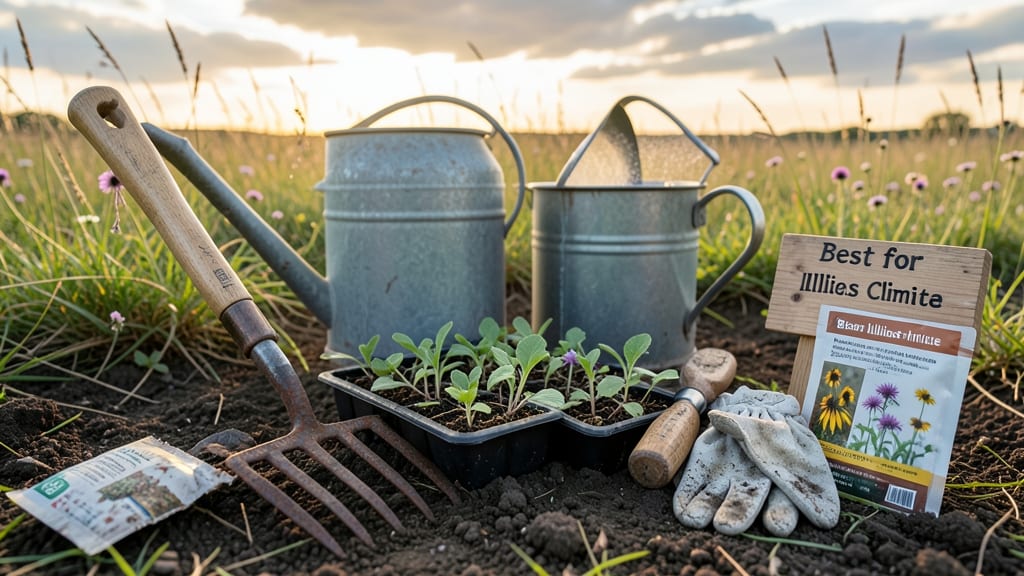
To plant wildflower seeds in Illinois for fast blooms and lasting beauty, aim for late summer to early fall or early spring — the two windows that align with your state’s frost dates and soil warmth.
Picture this: a meadow of black-eyed Susans and coneflowers swaying in your Illinois garden by next summer. But miss the timing, and you’ll end up with patchy growth or weeds stealing the show. The key? Knowing when to scatter those seeds for maximum germination in zones 5-6.
Spring planting in March or April gives your wildflowers a head start, while fall (August–October) lets them establish roots before winter. Both methods work, but each has tricks to avoid common pitfalls — like overwatering or planting too deep. I’ll walk you through the exact steps for each season.
You’ll also discover the top 5 wildflower mixes for Illinois, how to prep your soil for success, and why some species thrive in northern Illinois while others prefer the southern climate. Ready to turn your yard into a pollinator paradise?
Best planting months for Illinois wildflowers by hardiness Zone
Illinois spans USDA hardiness zones 5a to 6b, creating distinct planting windows for wildflowers. In northern zones (5a), cooler springs and earlier frosts demand precise timing, while southern areas (6b) offer longer growing seasons.
The key is planting when soil temperatures reach 50-70°F—ideal for seed activation without risking premature germination.
For annual wildflowers like cosmos and zinnias, aim for late spring (April-May) after the last frost. Perennials such as black-eyed Susans and coneflowers thrive when sown in early fall (September-October), allowing roots to establish before winter. This dual approach ensures year-round blooms and resilience against Illinois’ unpredictable weather.
Here’s how to align your planting with Illinois’ variable frost dates and zone-specific conditions:
| Zone | Best Planting Window | Key Species | Soil Temp Threshold |
|---|---|---|---|
| 5a (Northern IL) | Late August–September (fall) or April–May (spring) | Milkweed, Purple Coneflower, Butterfly Weed | 50–60°F |
| 5b (Central IL) | September–October (fall) or March–April (spring) | Black-Eyed Susan, Aster, Goldenrod | 55–65°F |
| 6a–6b (Southern IL) | October–November (fall) or February–March (spring) | Coreopsis, Bee Balm, Wild Bergamot | 60–70°F |
In Zone 5a, prioritize fall planting to avoid early spring frosts. For example, sow milkweed seeds in late August when soil is still warm, giving them time to germinate before winter.
In Zone 6b, you can extend planting into early November for species like wild bergamot, which benefit from cooler autumn temperatures.
Spring planting in Illinois requires patience—wait until mid-April in northern zones and early March in southern areas. Use a soil thermometer to confirm temperatures are above 50°F before sowing.
For direct seeding, scatter seeds lightly and press them into the soil; most wildflowers need light to germinate, so avoid burying them deeper than ¼ inch.
Pro tip: Mix annual and perennial seeds for continuous color. Annuals like cosmos bloom quickly in 60–70 days, while perennials establish roots for multi-year displays. For instance, pair zinnias (annual) with coneflowers (perennial) to enjoy blooms from summer through fall.
Illinois’ variable rainfall patterns can challenge germination. After planting, use a light mulch layer (straw or leaves) to retain moisture without suffocating seeds. Water gently but deeply—aim for 1 inch of water per week—until seedlings emerge. Once established, wildflowers thrive on drought tolerance, making them low-maintenance once rooted.
Timing also impacts pollinator benefits. Planting in late summer/fall ensures early spring blooms, providing nectar for bees emerging from hibernation. For example, purple coneflower sown in September will bloom in June-July, supporting monarch butterflies and hummingbirds. In contrast, spring-sown black-eyed Susans won’t bloom until July-August.
Don’t overlook overseding in established meadows. Scatter fresh seeds in early fall over existing vegetation to fill gaps. This mimics natural ecosystems where wildflowers self-seed annually. For best results, mow the area to 4–6 inches before overseeding to reduce competition.
Finally, adjust for microclimates in your garden. South-facing slopes warm up faster, ideal for early spring planting, while shaded areas may need delayed sowing. Observe your site’s sun exposure and frost pockets to fine-tune your schedule—Illinois’ diverse landscapes mean no one-size-fits-all approach works.
How soil temperature and rainfall affect wildflower germination in Illinois
Wildflower seeds in Illinois thrive when soil temperatures hover between 50°F and 70°F—this optimal range triggers germination.
Northern Illinois (Zones 5a-5b) often waits until late spring or early fall, while southern Illinois (Zones 6a-6b) can start earlier due to milder winters. Soil thermometers are your best tool to confirm readiness before planting.
Rainfall patterns play a critical role too. Northern regions like Chicago and Rockford receive 30-35 inches annually, while southern areas like St. Louis and Carbondale get 40-45 inches. Drought-resistant species like black-eyed Susans and purple coneflowers handle Illinois’ variable rainfall better than delicate imports.
| Factor | Northern Illinois (Zones 5a-5b) | Southern Illinois (Zones 6a-6b) |
|---|---|---|
| Soil Temp Threshold | 55-65°F (late May-October) | 50-70°F (April-November) |
| Rainfall Needs | 1-1.5 inches/week | 1.5-2 inches/week |
| Best Species | Prairie smoke, wild bergamot | Butterfly milkweed, coreopsis |
| Soil Prep Tip | Loosen 2-3 inches deep | Add compost for moisture |
To prep soil for wildflower success, start by removing weeds and tilling 2-3 inches deep to improve aeration. In northern Illinois, add a 1-inch layer of compost to retain moisture during dry spells. Southern regions benefit from mulching with straw to prevent soil crusting after rains.
If rainfall is inconsistent, use a drip irrigation system to deliver 1-1.5 inches of water weekly until seeds germinate. Overwatering can suffocate seeds, so aim for consistent moisture—not soggy soil. Native species like partridge pea and blazing star are excellent choices for drought-prone areas.
Monitor soil moisture with a moisture meter—ideal conditions keep the top inch slightly damp. In southern Illinois, where summer storms are common, plant seeds in raised beds to prevent erosion. For northern areas, fall planting (September-October) ensures seeds establish roots before winter.
Always test your soil’s pH—most Illinois wildflowers prefer 6.0-7.0. Amend acidic soil with lime and sandy soil with compost before planting. With the right conditions, your wildflower meadow will burst into color in just 6-8 weeks! 🌼