
Flowers
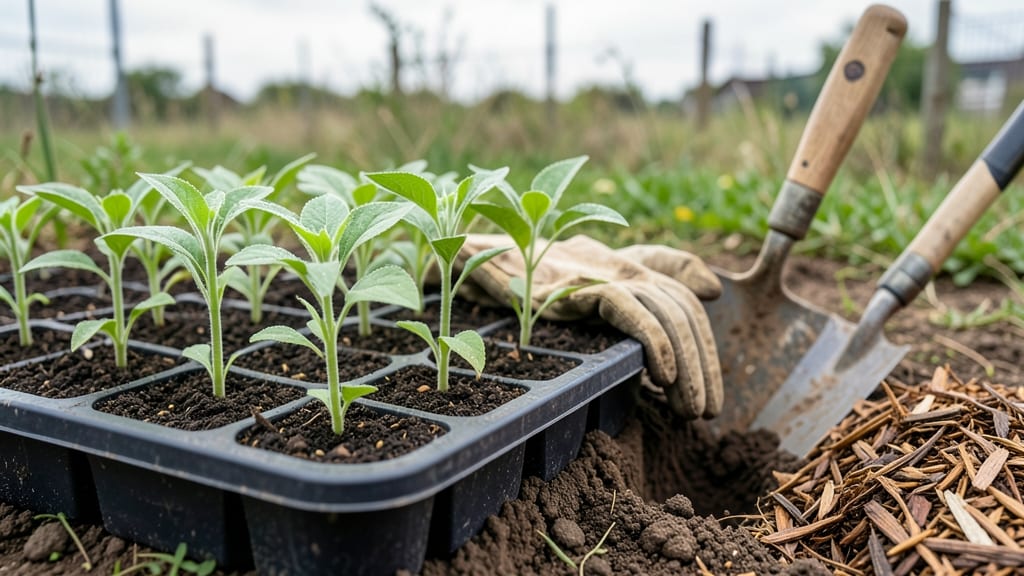
You can plant sunflowers in Florida almost year-round, but timing matters for fast growth and vibrant blooms 🌻 — the key is avoiding the brutal midday heat that stunts seedlings.
Picture this: you’ve just dropped seeds into warm soil, only to watch them bolt into tall, leggy stems before producing a single flower. That’s what happens when you plant sunflowers in Florida’s peak summer months without the right prep.
Florida’s frost-free climate means no last-frost dates to worry about, but the real challenge is heat stress. The best windows? Early spring and fall, when soil temps hover around 50°F and humidity is manageable.
Below, I’ll break down the exact months for each USDA zone (8a–11), plus pro tips for beating summer heatwaves and choosing fast-growing varieties that thrive in Florida’s humidity.
Florida sunflower planting calendar by USDA zones (8a-10a)
Florida’s frost-free climate means sunflowers can grow year-round, but timing still matters for fast germination and vibrant blooms. In USDA Zones 8a-10a, your planting window varies slightly between North, Central, and South Florida. I’ll break down the best months for each zone to maximize your sunflower’s potential.
Sunflowers thrive when soil temperatures reach at least 50°F, which happens earlier in South Florida than in the Panhandle. In Zone 8a (North Florida), cooler winters mean you’ll want to start seeds indoors or wait until spring.
Meanwhile, Zones 9a-10a (Central/South Florida) offer year-round planting with peak performance in cooler months.
🌱
In Zone 8a, I recommend starting seeds indoors in February for early spring blooms or direct-sow in March after the last frost. Fall plantings in September–November avoid summer heat stress and still yield beautiful flowers before winter.
For Central Florida (Zone 9a), you can plant sunflowers as early as January for spring blooms or in September for fall displays. The key is to avoid planting in June–August when temperatures exceed 90°F, which can stunt growth.
South Floridians in Zone 10a enjoy the most flexibility—plant sunflowers year-round! However, the fastest germination and tallest blooms occur in January–April and September–November when daytime highs are milder (80–85°F).
To ensure fast germination, always plant seeds when soil temperatures are consistently above 55°F. Use a soil thermometer to check—sunflowers won’t sprout well in cooler soil. In Zone 8a, this often means waiting until mid-April for outdoor planting.
Pro tip: If you’re growing giant sunflower varieties, prioritize spring planting in all zones. These varieties need longer daylight hours to reach their full height, and spring provides the perfect balance of sunlight and warmth.
🌻
For direct sowing outdoors, scatter seeds ½ inch deep and 12 inches apart (or closer for dwarf varieties). Thin seedlings to 18–24 inches apart once they’re 4–6 inches tall to give roots room to spread. In Zone 10a, you can even grow sunflowers as winter crops!
Remember, sunflowers are annuals, so each planting cycle gives you fresh blooms. By following these zone-specific timelines, you’ll enjoy bigger flowers, stronger stems, and longer vase life—no matter where in Florida you garden.
How to extend sunflower growing season in Florida’s heat
Florida’s summer heat can turn your sunflower seedlings into crispy snacks if you’re not careful. The key to extending their growing season lies in strategic shade, deep watering, and smart companion planting—all while avoiding the afternoon sun’s worst hours.
Even though sunflowers love warmth, they’ll bolt or wilt under 90°F+ soil temps without protection.
I’ve grown sunflowers in USDA zones 9a-10a for years, and the difference between a thriving plant and a sad, leggy stalk comes down to these heat-beating tactics. Let’s dive into the exact methods that keep my sunflowers blooming even in July’s brutal heat.
- 1 Use shade cloth (30-50%) for seedlings in peak summer. Stretch it over temporary hoops or use drip irrigation shade to reduce soil temps by 10-15°F.
- 2 Water deeply at dawn—aim for 1-2 gallons per plant—to encourage deep root growth. Avoid evening watering to prevent fungal diseases like powdery mildew.
- 3 Plant near tall companions like corn or sorghum to create natural shade. Avoid competitive plants like tomatoes, which steal nutrients.
- 4 Mulch with straw or wood chips to retain moisture and cool roots. A 3-inch layer can reduce soil temps by up to 20°F during heatwaves.
- 5 Choose heat-tolerant varieties like 'Autumn Beauty' or 'Moulin Rouge', which handle 95°F+ temps better than standard types.
One summer, I tried planting 'Russian Giant' sunflowers in mid-July without shade cloth—and they bolted into 12-foot stalks with no flowers by August. The lesson? Shade saves the day for summer plantings.
Even a lightweight row cover during the hottest hours can make the difference between a sad stalk and a vibrant, blooming sunflower.
For year-round success, I recommend planting in early spring (February-March) or late summer (August-September). These windows give seedlings time to establish roots before the peak heat arrives. Pair this with drip irrigation and morning watering, and you’ll have sunflowers blooming even in December.
Pro tip: If you’re growing sunflowers for seeds, let them mature fully before harvesting—Florida’s mild winters mean you can plant and harvest in the same season if you start early. Just watch for bird visitors and use bird netting if needed!